Have you ever heard of a yellow dog contract but weren’t quite sure what it means or why it matters to you? This type of contract can affect your rights as a worker in ways you might not expect.
Understanding what a yellow dog contract is can help you protect yourself and make better decisions in your job. Keep reading to discover the truth behind these contracts and how they could impact your work life.
Origins Of Yellow Dog Contracts
The origins of yellow dog contracts date back to the early 20th century. These contracts played a key role in labor relations during a time of growing industrial conflict. Understanding their background helps explain their impact on workers and unions.
Historical Context
Yellow dog contracts first appeared in the United States in the late 1800s. They became common during the rise of big industries. Employers used these contracts to stop workers from joining unions. The name “yellow dog” implied betrayal against fellow workers. Many workers felt forced to sign them to keep their jobs.
At that time, unions were fighting for better wages and working conditions. Employers saw unions as a threat to their control. Yellow dog contracts were a tool to weaken union power. This made labor struggles more intense and often violent.
Legal Foundations
The legality of yellow dog contracts was supported by courts for many years. Early court rulings favored employers, allowing these contracts to stand. The courts viewed them as private agreements between workers and bosses. This interpretation gave employers a strong advantage.
It was not until the Norris-LaGuardia Act of 1932 that yellow dog contracts lost legal backing. This law banned contracts that prevented workers from joining unions. It marked a turning point in labor rights in the U.S. After this, yellow dog contracts became illegal and less common.
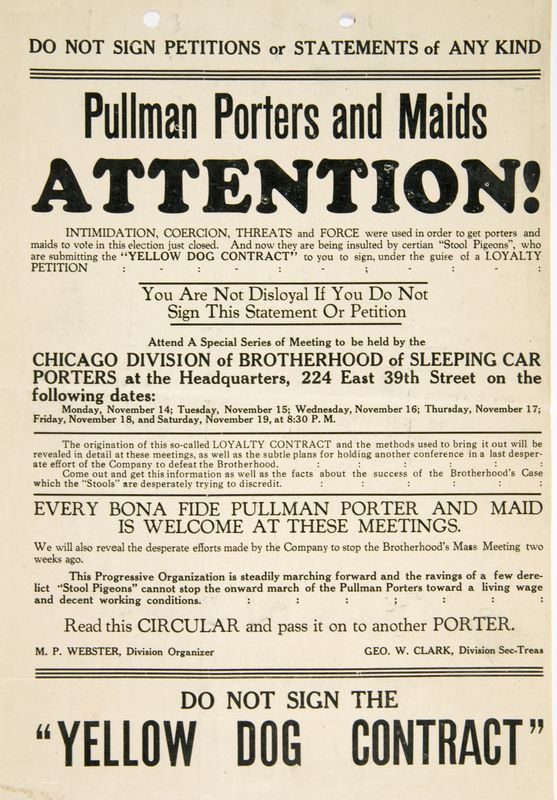
Credit: laborhistoryin2.podbean.com
Mechanics Of Yellow Dog Contracts
The mechanics of yellow dog contracts reveal how these agreements control workplace relations. These contracts were tools used by employers to limit workers’ rights.
Understanding how these contracts work helps explain their impact on labor laws and unions. The details lie in the contract terms and the roles of employers and employees.
Contract Terms
Yellow dog contracts include specific rules employees must follow. One key term is the promise not to join a union. Employees agree to this before starting the job.
These contracts often last for a set time, such as the length of employment. They may also include penalties if the employee breaks the agreement. This limits workers’ ability to organize or protest.
Employer And Employee Roles
Employers use yellow dog contracts to maintain control over their workforce. They require workers to sign these contracts to prevent union activities. Employers aim to keep labor costs low and avoid strikes.
Employees, on the other hand, must decide whether to accept these terms. Signing means giving up certain rights. Refusing may mean losing the job offer. This creates pressure on workers to comply.
Legal Battles And Changes
Yellow dog contracts sparked many legal battles in the early 20th century. These contracts made workers promise not to join unions. Many believed this practice was unfair and harmful to workers’ rights. Courts and lawmakers took action to change these agreements. The struggle led to important legal decisions and new laws. These changes helped protect workers and shaped labor rights today.
Key Court Cases
One major case was Norris-LaGuardia Act challenge. Courts first upheld yellow dog contracts as legal. Employers used them to stop union growth. Over time, judges saw the contracts as unfair. The 1932 Norris-LaGuardia Act limited courts from enforcing these contracts. This law protected workers’ rights to join unions. Later cases confirmed this protection. Courts ruled that such contracts violated workers’ freedom. These decisions marked a turning point in labor law.
Legislative Reforms
Lawmakers passed laws to end yellow dog contracts. The Norris-LaGuardia Act was the first major reform. It banned courts from forcing workers to keep these contracts. The National Labor Relations Act of 1935 further strengthened workers’ rights. It made union membership and collective bargaining legal. These laws helped balance power between workers and employers. They encouraged fair labor practices across the country. Today, yellow dog contracts are illegal and seen as outdated.

Credit: laborhistoryin2.podbean.com
Impact On Labor Rights
The impact of yellow dog contracts on labor rights is significant and often negative. These contracts prevent workers from joining unions. This limits their ability to negotiate better pay and working conditions. Understanding this impact helps explain why labor laws have changed over time.
Union Suppression
Yellow dog contracts stop workers from forming or joining unions. Employers use these contracts to keep unions weak. Without unions, workers have less power to speak up. This leads to fewer protections and benefits.
Worker Protections
These contracts reduce worker protections by limiting collective action. Workers cannot organize strikes or ask for improvements easily. This creates an uneven balance between employers and employees. It often results in poorer working conditions and job insecurity.
Yellow Dog Contracts Today
Yellow dog contracts have a long history in labor relations. These contracts once stopped workers from joining unions. Today, their role has changed a lot. Understanding their current place helps us see how worker rights have grown.
Current Legal Status
Yellow dog contracts are mostly illegal now. Laws protect workers’ right to join unions. The Norris-LaGuardia Act of 1932 banned such contracts. This law stops employers from forcing workers to agree not to join unions. Courts also reject contracts that limit union activity. Workers can freely organize without fear of losing jobs.
Modern Workplace Practices
Employers rarely use yellow dog contracts today. Most workplaces focus on fair labor practices. Companies encourage open communication with employees. Union membership is a personal choice now. Many employers work to build trust with staff. Workers have more freedom to express concerns. This shift supports better relationships at work.
Alternatives And Future Trends
Alternatives to yellow dog contracts are growing as workers seek fairer terms. Employers and employees both want clearer, more balanced agreements. These changes reflect shifting views on worker rights and company control.
Future trends in employment contracts focus on fairness and flexibility. New forms of agreements aim to protect workers while allowing businesses to operate smoothly. The role of unions is also changing as they adapt to new workplace realities.
Evolving Employment Agreements
Employment agreements now focus on mutual respect and clear terms. Contracts often include clauses for dispute resolution and fair treatment. Employers offer flexible schedules and remote work options. Workers want contracts that support their rights and growth. These agreements replace strict yellow dog contracts with fair rules.
Role Of Unions Moving Forward
Unions remain key to protecting worker rights. They negotiate better contracts and safer workplaces. Unions help workers resist unfair clauses like those in yellow dog contracts. They also educate workers about their legal rights. The union’s role grows as workplaces become more complex.
Credit: www.jwkbooks.com
Frequently Asked Questions
What Is A Yellow Dog Contract?
A yellow dog contract is an agreement where workers promise not to join a union.
Why Were Yellow Dog Contracts Used?
Employers used them to stop workers from joining unions and striking.
Are Yellow Dog Contracts Legal Today?
Most yellow dog contracts are illegal in many countries due to labor laws.
How Did Yellow Dog Contracts Affect Workers?
They limited workers’ rights to organize and bargain for better conditions.
When Did Yellow Dog Contracts Become Illegal?
They became illegal in the United States after the Norris-LaGuardia Act in 1932.
Can Yellow Dog Contracts Still Appear In Modern Workplaces?
They are rare and usually banned, but some employers may still try to use them.
Conclusion
A yellow dog contract stops workers from joining unions. It often limits employee rights at work. Many countries now ban or limit these contracts. Understanding their impact helps workers protect themselves. Knowing your rights makes a big difference. Always read work agreements carefully before signing.
Stay informed and stand up for fair treatment.
As an Amazon Associate, I earn from qualifying purchases.