You want the best for your furry friend, and keeping an eye on their health is a big part of that. One key thing you might wonder about is your dog’s blood sugar.
What exactly is normal, and why does it matter? Knowing the right levels can help you spot problems early and keep your dog happy and healthy. You’ll discover what normal blood sugar for a dog looks like, why it’s important, and how you can monitor it easily.
Keep reading to make sure your pet stays in tip-top shape!

Credit: todaysveterinarypractice.com
Blood Sugar Basics
Understanding blood sugar is important for your dog’s health. Blood sugar affects energy and body functions. Keeping it balanced helps prevent health problems.
Dogs need a steady level of sugar in their blood. This level changes with food, activity, and health. Knowing the basics helps you care for your dog better.
What Is Blood Sugar
Blood sugar is the amount of glucose in the blood. Glucose comes from food, especially carbohydrates. It gives energy to cells and organs. The body controls blood sugar using hormones like insulin.
Why Blood Sugar Matters For Dogs
Blood sugar fuels your dog’s body and brain. Too much or too little sugar causes problems. High blood sugar can lead to diabetes. Low blood sugar can cause weakness or seizures. Regular checks help keep your dog safe and healthy.
Normal Blood Sugar Ranges
Understanding normal blood sugar ranges is key to keeping dogs healthy. Blood sugar levels show how well a dog’s body manages glucose. These levels change based on activity and food intake. Monitoring these levels helps spot health issues early. Let’s explore what normal blood sugar looks like for dogs.
Fasting Blood Sugar Levels
Fasting blood sugar means the glucose level after no food for 8-12 hours. For most dogs, normal fasting blood sugar is between 75 and 120 mg/dL. Levels within this range indicate good glucose control. Levels below or above this may need a vet check. Fasting tests give a clear view of baseline sugar levels.
Post-meal Blood Sugar Levels
After eating, blood sugar rises as the body absorbs glucose. Normal post-meal blood sugar levels usually stay below 180 mg/dL. This rise lasts about 1 to 2 hours after the meal. Sharp or prolonged spikes may suggest a problem. Tracking post-meal levels helps understand how a dog’s body handles sugar.
Variations By Breed And Age
Blood sugar levels can vary by breed and age. Some breeds have naturally higher or lower glucose levels. Older dogs might have less stable blood sugar control. Puppies tend to have more variable levels due to growth. Regular testing helps catch unusual changes for each dog’s unique needs.
Causes Of Blood Sugar Fluctuations
Blood sugar levels in dogs can change for many reasons. These changes can cause health problems if not managed well. Understanding what causes blood sugar to rise or fall helps keep dogs healthy. Some causes make blood sugar drop too low, while others push it too high. The right balance depends on many factors, including food and activity.
Low Blood Sugar Factors
Low blood sugar, or hypoglycemia, happens when a dog’s sugar level falls too low. This can happen if a dog misses meals or eats less than usual. Puppies and small breeds are more prone to low blood sugar. Certain illnesses, like liver disease, can also cause drops. Too much insulin or diabetes medicine may lower blood sugar too much. Stress and sudden exercise without eating can be a trigger too.
High Blood Sugar Factors
High blood sugar, known as hyperglycemia, occurs when sugar levels get too high. Diabetes is the most common cause of high blood sugar in dogs. Stress and excitement can raise blood sugar temporarily. Some medications, such as steroids, also increase sugar levels. Illness and infections make blood sugar harder to control. Older dogs and overweight pets have a higher risk of high blood sugar.
Impact Of Diet And Exercise
What a dog eats greatly affects blood sugar levels. Foods high in sugar or carbohydrates can cause spikes in blood sugar. Feeding regular, balanced meals helps keep sugar stable. Exercise helps use sugar for energy, lowering blood sugar levels. Too much exercise without food can cause low blood sugar. A steady routine of meals and activity supports healthy blood sugar balance.
Signs Of Abnormal Blood Sugar
Blood sugar levels in dogs can vary, but certain signs show when levels are not normal. Abnormal blood sugar can cause serious health problems. It is important to notice these signs early to help your dog get the care it needs. Both low and high blood sugar can affect your dog’s behavior and health.
Symptoms Of Low Blood Sugar
Low blood sugar, also called hypoglycemia, can make your dog weak and tired. Your dog may shake or tremble often. Sudden weakness or collapse can happen without warning. Your dog might seem confused or act strange. In some cases, your dog may drool more than usual. Seizures can occur if low blood sugar stays too long. Watch for a rapid heartbeat or pale gums as well.
Symptoms Of High Blood Sugar
High blood sugar, known as hyperglycemia, can cause frequent thirst and urination. Your dog may eat more but still lose weight. It might seem very tired and less active. You could notice bad breath with a fruity smell. Vomiting and stomach upset are possible signs. Your dog’s coat may become dull and dry. Pay attention to any signs of weakness or difficulty walking.
Testing Blood Sugar At Home
Testing blood sugar at home helps keep your dog healthy and safe. It lets you watch sugar levels daily. This is very important for dogs with diabetes. You can act fast if levels change. Testing at home saves trips to the vet.
Choosing The Right Tools
Pick a blood glucose meter made for pets. Human meters may not give correct results. Find lancets that are gentle and sharp enough for dogs. Get test strips that fit your meter. Keep extra supplies ready. Use a small container to hold tools cleanly.
Step-by-step Testing Guide
Wash your hands and your dog’s paw first. Choose a quiet place to reduce stress. Prick the side of the dog’s paw pad with the lancet. Squeeze gently to get a small blood drop. Touch the drop to the test strip in the meter. Wait a few seconds for the result. Praise your dog and offer a treat after testing.
Interpreting Results
Normal blood sugar for dogs is usually 80 to 120 mg/dL. Numbers above or below need attention. Record each result with date and time. Watch for trends, not single numbers. Share your records with the vet for advice. Never change medication without vet guidance.
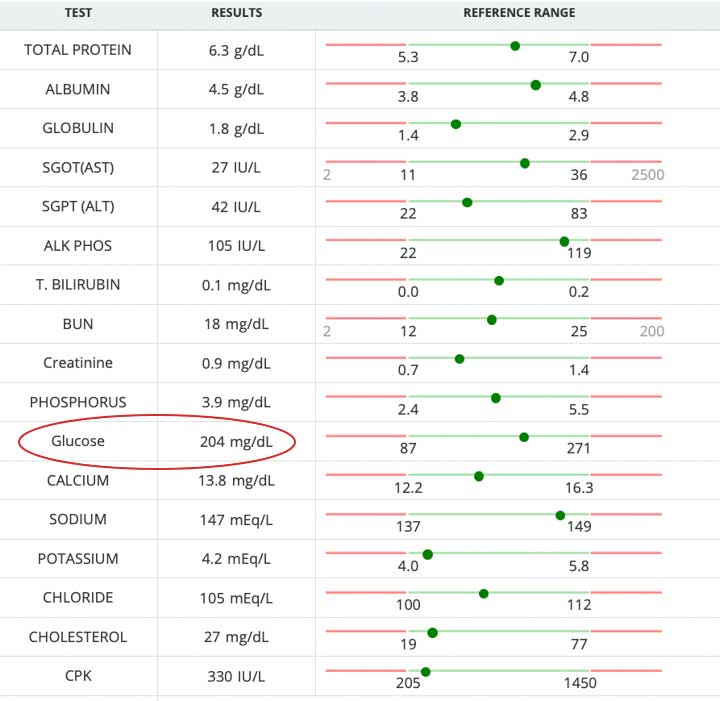
Credit: wilsonhand.com
Managing Blood Sugar Levels
Managing blood sugar levels in dogs is important for their health and happiness. Keeping these levels stable helps avoid serious problems like diabetes. Careful attention to diet, exercise, and medication supports your dog’s well-being. Each part plays a role in controlling blood sugar effectively.
Dietary Recommendations
Feed your dog a balanced diet with low sugar and high fiber. Avoid foods with simple carbohydrates and sugary treats. Choose dog food made for blood sugar control if advised by a vet. Small, frequent meals help keep blood sugar steady. Fresh water should always be available to your dog.
Exercise Tips
Regular exercise helps lower blood sugar naturally. Short walks and playtime suit most dogs well. Avoid sudden, intense activity that might stress your pet. Consistency is key; exercise at the same time each day. Watch your dog’s energy levels and adjust activity as needed.
Medication And Veterinary Care
Some dogs need medication to manage blood sugar properly. Always follow the vet’s instructions on dosage and timing. Regular check-ups help track your dog’s blood sugar and overall health. Report any unusual symptoms like weakness or excessive thirst to the vet. Early treatment prevents complications and improves quality of life.
Preventing Blood Sugar Issues
Preventing blood sugar issues in dogs is essential for their health and happiness. Keeping blood sugar levels normal helps avoid serious problems. Small daily efforts can protect your dog from diabetes and other conditions.
Regular Checkups
Take your dog to the vet often. Regular checkups help catch blood sugar problems early. Vets can test blood sugar and spot changes quickly. Early detection leads to better treatment and care.
Healthy Lifestyle Habits
Feed your dog a balanced diet with the right nutrients. Avoid giving sugary or high-carb treats. Make sure your dog gets exercise every day. A healthy lifestyle keeps blood sugar levels steady.
Early Warning Signs To Watch
Watch for increased thirst and frequent urination. Notice if your dog feels tired or weak. Sudden weight loss or increased hunger may occur. Spotting these signs early allows for quick action.

Credit: ketonaturalpetfoods.com
Frequently Asked Questions
What Is The Normal Blood Sugar Range For Dogs?
Normal blood sugar in dogs is usually between 80 and 120 mg/dL.
How Often Should A Dog’s Blood Sugar Be Tested?
Blood sugar should be tested regularly if your dog has diabetes or other health issues.
What Symptoms Show Abnormal Blood Sugar In Dogs?
Signs include excessive thirst, frequent urination, weight loss, and low energy.
Can Diet Affect A Dog’s Blood Sugar Levels?
Yes, a balanced diet helps keep your dog’s blood sugar stable.
What Causes High Blood Sugar In Dogs?
High blood sugar can be caused by diabetes, stress, or illness.
When Should I See A Vet About My Dog’s Blood Sugar?
Visit a vet if your dog shows unusual thirst, hunger, or tiredness.
Conclusion
Knowing your dog’s normal blood sugar helps keep them healthy. Regular checks catch problems early. Keep an eye on diet and activity for balance. Speak with your vet if you notice changes in behavior or appetite. Healthy blood sugar means a happy dog.
Small steps make a big difference. Stay informed. Stay caring. Your dog will thank you.
As an Amazon Associate, I earn from qualifying purchases.