Choosing the right dog crate for your Labrador is more important than you might think. If the crate is too small, your dog won’t be comfortable.
If it’s too big, it won’t feel like a safe space. You want a crate that fits your Labrador perfectly—giving them room to stretch but still cozy enough to feel secure. You’ll discover exactly what size dog crate works best for your Labrador, so you can make the best choice for your furry friend’s comfort and happiness.
Keep reading to find out how to create the perfect safe haven for your Labrador.
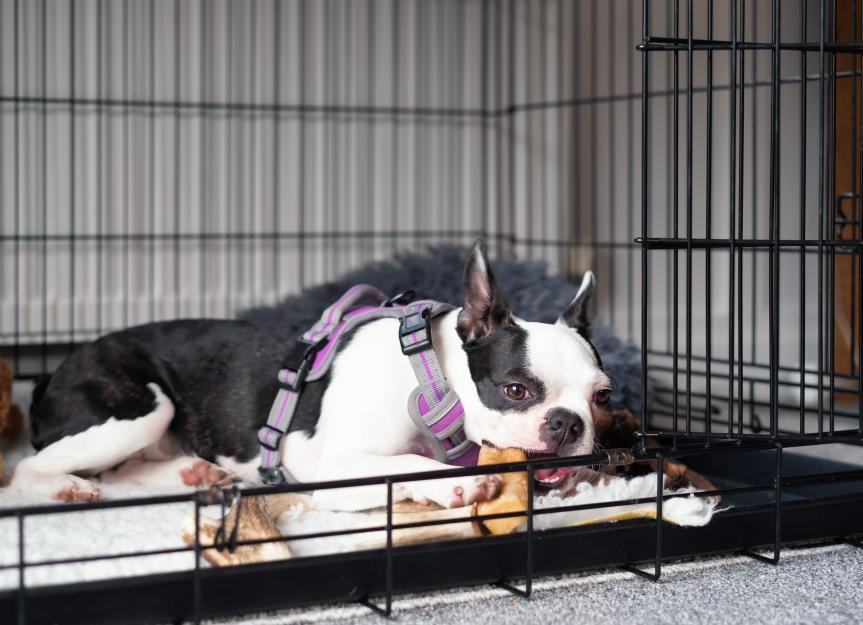
Credit: scala-santa.com
Choosing The Right Crate Size
Choosing the right crate size for a Labrador is important for comfort and safety. The crate should be big enough for your dog to stand, turn around, and lie down easily. A crate that is too small can make your dog feel trapped. Too large, and it might not feel cozy or secure.
Measuring Your Labrador
Start by measuring your Labrador’s height from the floor to the top of the head. Next, measure the length from the nose to the base of the tail. These two numbers help find the perfect crate size. Add a few inches to each measurement for extra space. This ensures your dog can move without feeling cramped.
Considering Growth Stages
Labradors grow quickly, especially in the first year. Choose a crate that fits their adult size, not just their current size. You can use a divider inside a larger crate. This keeps the space small now and grows with your dog. Changing crates often is not needed with this option.
Crate Types And Sizes
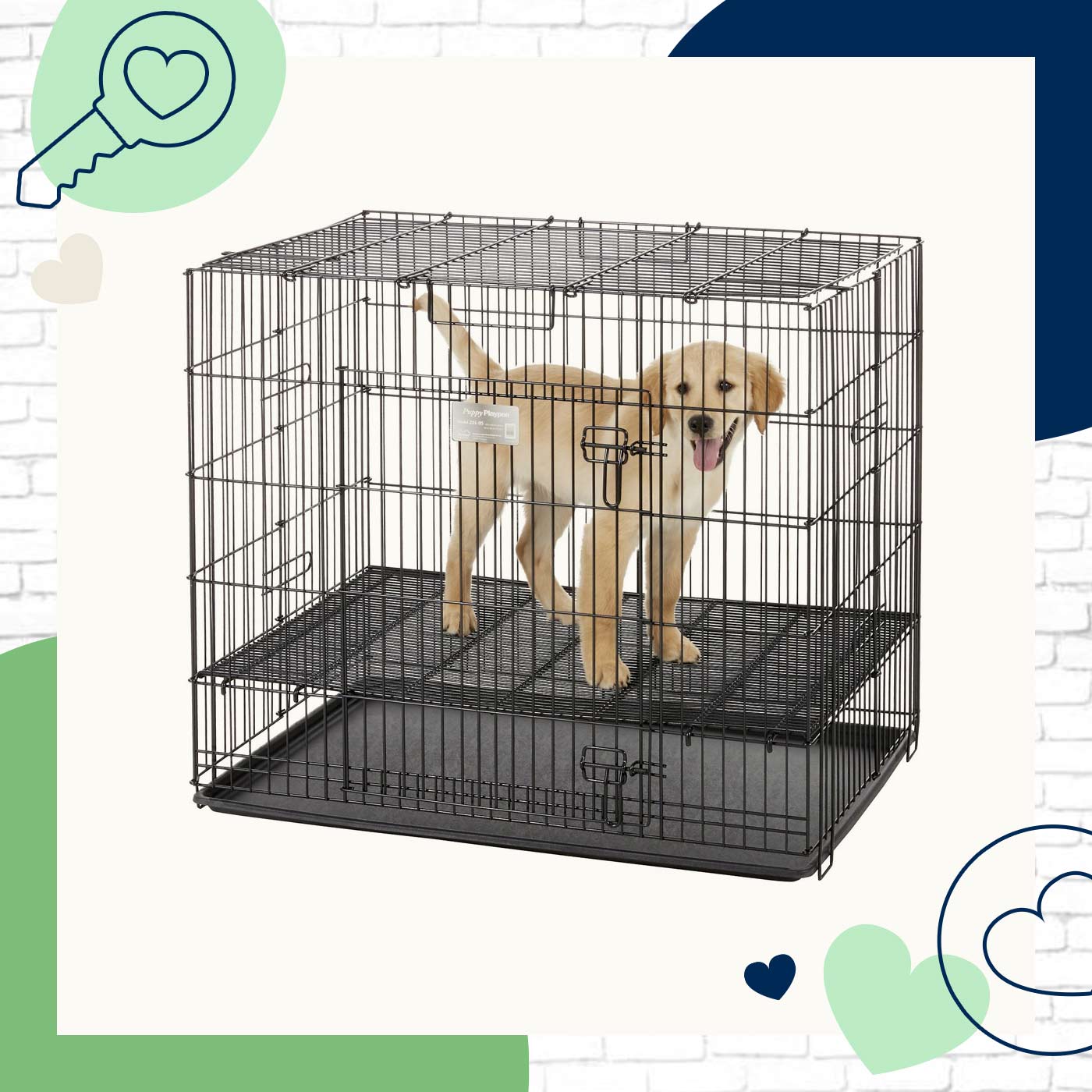
Crates come in wire, plastic, and soft-sided types. Wire crates offer good ventilation and visibility. Plastic crates provide a cozy, den-like feel. Soft-sided crates are lightweight and easy to carry. Standard Labrador crate sizes range from 36 to 42 inches long. Pick the crate type and size that fits your dog’s needs and your lifestyle best.
Credit: rilmac.org
Ideal Crate Dimensions For Labradors
Choosing the right crate size for your Labrador is important. The crate must be big enough for comfort but not too large. This helps your dog feel safe and secure. Proper crate dimensions support good habits and restful sleep. Different stages of growth need different crate sizes. Understanding these sizes ensures your Labrador stays happy inside the crate.
Standard Adult Labrador Size
Adult Labradors usually weigh between 55 and 80 pounds. Their height ranges from 21.5 to 24.5 inches at the shoulder. The ideal crate should be about 42 inches long, 28 inches wide, and 30 inches high. This size gives enough room to stand, turn, and lie down comfortably. Avoid crates smaller than this to prevent discomfort and stress.
Puppy Crate Dimensions
Puppy Labradors need smaller crates that match their size. A crate about 24 inches long, 18 inches wide, and 19 inches high works well for young pups. This size keeps puppies secure without too much space. Puppies grow fast, so a small crate prevents accidents and helps training. Use a divider to adjust the space as your puppy grows.
Adjustable Crates For Growing Dogs
Adjustable crates are perfect for Labradors that grow quickly. These crates have panels or dividers to change the size. Start small and increase the space gradually. This saves money and keeps your dog comfortable at every stage. Choose sturdy materials to ensure the crate lasts as your Labrador grows.
Crate Material And Design Options
Choosing the right crate material and design is important for your Labrador’s comfort and safety. Different crate types offer various benefits and suit different situations. Understanding these options helps you pick the best one for your dog’s size and habits.
Wire Crates
Wire crates provide excellent ventilation and visibility. Your Labrador can see around, which reduces stress. These crates are sturdy and easy to clean. Most come with removable trays at the bottom. Wire crates fold flat for easy storage and travel. They are a popular choice for training and home use.
Plastic Crates
Plastic crates offer more privacy and a cozy space. Labradors who like a den-like environment feel safe inside. These crates are strong and protect your dog during car rides. Ventilation holes keep air flowing but limit visibility. Plastic crates are lightweight and easy to carry. They work well for travel and vet visits.
Soft-sided Crates
Soft-sided crates are light and portable. They are made from fabric and mesh panels. These crates provide good airflow and comfort. Labradors enjoy the cozy feel of soft-sided crates. They are ideal for calm dogs and short trips. Not suitable for dogs that chew or are very active.
Benefits Of Proper Crate Sizing
Choosing the right size crate for a Labrador is important. A properly sized crate offers many benefits. It helps your dog feel safe and happy. It also supports training and makes travel easier. Understanding these benefits can guide you in picking the best crate size.
Comfort And Security
A crate that fits your Labrador well feels like a cozy den. It gives your dog a private space to relax. Dogs feel calm and less stressed in a snug crate. Too large or too small crates cause discomfort. Proper sizing helps prevent anxiety and restlessness.
House Training Aid
Proper crate size supports faster house training. Dogs avoid soiling their sleeping area. A crate that is just big enough encourages good habits. It teaches your Labrador to hold bladder until outside. This speeds up potty training and reduces accidents.
Travel Convenience
Traveling with a correctly sized crate is simpler and safer. Your dog stays secure during car rides. A well-fitted crate fits easily in vehicles. It prevents your Labrador from moving around too much. This helps avoid distractions and ensures smooth trips.
Common Mistakes To Avoid
Choosing the right dog crate for a Labrador is important for their comfort and safety. Many pet owners make mistakes that can cause stress or harm to their dogs. Avoiding these common errors helps your Labrador feel secure and happy in their crate.
Choosing Crates Too Large
Some owners pick crates that are too big for their Labrador. Large crates can make dogs feel unsafe. They may use one corner as a bathroom. Dogs need space to lie down and turn around, not to roam freely.
Ignoring Growth Needs
Puppies grow fast. Buying a crate that fits only their current size can cause problems. A small crate becomes uncomfortable quickly. Choose a crate that can adjust or fits an adult Labrador. This saves money and keeps your dog comfortable.
Neglecting Ventilation And Safety
Ventilation is key for your dog’s health. Crates without enough airflow can cause overheating. Avoid crates with sharp edges or weak locks. These can hurt your Labrador or allow escapes. Always check the crate for safety before use.
Tips For Crate Training Your Labrador
Crate training a Labrador helps build good habits and provides safety. It makes house training easier and creates a cozy space for your dog. Patience and consistency are key. Follow simple tips to help your Labrador enjoy the crate.
Introducing The Crate
Start by placing the crate in a quiet room. Leave the door open so your Labrador can explore. Put soft bedding inside for comfort. Use treats to encourage your dog to enter the crate. Never force your Labrador inside. Let them go in at their own pace.
Creating A Positive Environment
Make the crate a happy place. Give your dog toys and chews inside. Praise your Labrador when they enter the crate. Avoid using the crate for punishment. This helps your dog feel safe and relaxed. A positive crate means a calm dog.
Establishing A Routine
Set regular times for crate use. Use the crate before meals and bedtime. Keep crate sessions short at first, then increase time slowly. Always let your Labrador out calmly. A steady routine helps your dog adjust quickly.

Credit: scala-santa.com
Frequently Asked Questions
What Is The Ideal Dog Crate Size For A Labrador?
A 42-inch crate suits most adult Labradors, offering enough space to stand and turn comfortably.
How To Measure Your Labrador For The Crate Size?
Measure your dog’s length from nose to tail and height from floor to ears to choose the right crate.
Can A Too-small Crate Harm My Labrador?
Yes, a small crate can cause discomfort and stress to your dog over time.
Should Crate Size Change As My Labrador Grows?
Yes, puppies need smaller crates that grow with them or can be replaced as they get bigger.
Is A Bigger Crate Better For A Labrador’s Comfort?
Not always; too large a crate can make dogs feel insecure or use one side as a bathroom.
What Material Is Best For A Labrador’s Crate?
Sturdy plastic or metal crates are good choices, offering durability and proper ventilation for Labradors.
Conclusion
Choosing the right dog crate size helps your Labrador feel safe and calm. A crate too small can make your dog uncomfortable. Too big, and it may lose its cozy feel. Measure your dog’s height and length before buying. Aim for a crate that gives enough space to stand, turn, and lie down.
This makes crate training easier and keeps your Labrador happy. Remember, a proper crate is a peaceful spot for your dog to rest and relax.
As an Amazon Associate, I earn from qualifying purchases.