If you have a male dog that has just mated, you’re probably wondering what comes next. How will he behave?
What changes should you watch for? Understanding what to expect from your dog after mating can help you care for him better and stay prepared. You’ll discover the common signs and behaviors your male dog might show, plus tips to keep him comfortable and healthy.
Keep reading to learn exactly what’s normal and when you might need to take action.

Credit: www.petscare.com
Immediate Post-mating Behavior
After mating, a male dog shows clear changes in behavior and body signals. These signs help you understand his needs and comfort level. Observing these behaviors can guide you in providing the right care. Immediate post-mating behavior is calm but specific. The dog may seem tired but alert to his surroundings.
Physical Signs To Watch For
Look for changes in breathing and body posture. The dog’s breathing may be slower or heavier than usual. His tail might hang low or stay still. Watch for slight trembling or stiff muscles. Some dogs lick their private area gently. This is normal and helps with cleanliness. Avoid touching or disturbing him during this time. He might also avoid eye contact and seek quiet spots.
Typical Resting Patterns
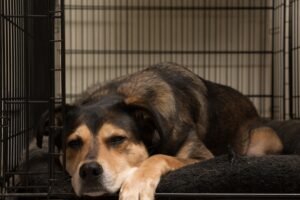
Rest is important after mating. The dog often lies down and stays still for a while. He might choose a soft, comfortable place. Short naps or deep sleep can occur. Interrupting rest can cause stress or confusion. Give him space and keep noise levels low. The dog may also prefer to be near his owner but not directly touched. This resting time helps his body recover and stay healthy.
Changes In Appetite And Energy
Male dogs often show clear changes in appetite and energy after mating. These changes are normal and part of their natural behavior. Understanding these shifts helps owners care better for their pets during this time.
Eating Habits After Mating
After mating, some male dogs may eat less than usual. Their appetite can drop for a day or two. This is because their body focuses on recovery and hormone balance. Other dogs might eat normally without any change. Watch your dog’s food intake carefully. Offer small meals and fresh water often. If appetite loss lasts more than three days, consult a vet.
Activity Levels And Playfulness
Energy levels can also change after mating. Many male dogs feel tired and less active. They may rest more and avoid playtime. This is a natural way to regain strength. Some dogs might still want to play but with less intensity. Provide a calm and quiet space for rest. Avoid forcing your dog into active play. Let them recover at their own pace.
Behavioral Shifts
Male dogs often show clear changes in behavior after mating. These changes help them adjust to new roles and signals in their environment. Understanding these shifts can help owners care better for their pets during this time.
Increased Affection Or Withdrawal
Some male dogs become more loving and seek more attention. They may want to be near their owner more often. This shows they feel calmer and more connected.
Others may pull back and want to be alone. They might seem less playful or less interested in activities. This withdrawal is normal and often temporary.
Territorial Marking And Scent Changes
After mating, male dogs often mark their territory more. This means they may urinate in new places around the home or yard. It is a way to show dominance and protect their space.
Their scent can also change slightly. This new smell sends signals to other dogs about their status. Owners may notice their dog rubbing on objects or rolling in the grass more often.

Credit: www.youtube.com
Signs Of Stress Or Discomfort
After mating, male dogs may show signs of stress or discomfort. These signs help owners understand if the dog is feeling unwell or anxious. Knowing what to watch for is important to keep your dog healthy and happy. Stress can affect a dog’s mood and behavior. It may also slow down recovery after mating.
Common Stress Indicators
Restlessness is a common sign of stress in male dogs. They may pace or have trouble settling down. Whining or whimpering can also show discomfort or anxiety. Some dogs may lick their genitals more often than usual. Loss of appetite is another clear sign of stress or discomfort. A dog may also hide or avoid interaction with people. Panting or heavy breathing can mean the dog is feeling stressed. Watch for changes in normal bathroom habits as well.
When To Consult A Veterinarian
Seek veterinary help if stress signs last more than two days. Sudden swelling, redness, or bleeding in the genital area needs immediate attention. If your dog shows signs of pain, such as yelping or avoiding touch, call the vet. Difficulty walking or standing after mating is a serious concern. Vomiting or diarrhea along with stress signals requires a vet visit. Your vet can provide pain relief or treatment for infections. Early care helps your dog recover faster and prevents complications.
Long-term Behavioral Effects
After mating, male dogs may show changes in their behavior that last for weeks or months. These long-term effects vary by dog. Some changes are subtle, while others are more clear. It helps to understand what to expect.
Changes in hormones can affect how a male dog acts around other dogs and people. These shifts might alter his social life and daily habits. Observing these behaviors can guide owners in managing them well.
Changes In Social Interactions
Male dogs often become more confident around other dogs after mating. They may try to show dominance or protect their space more. This can lead to more barking or growling in some dogs.
Some dogs become more relaxed and less likely to fight. Others may seek more attention from their owners or other dogs. Watch for signs of stress or anxiety in social settings.
Impact On Training And Obedience
Mating can affect a male dog’s focus during training sessions. He may become more distracted or less interested in commands. Patience and consistency help maintain good behavior.
Some dogs respond better to training after mating due to increased calmness. Others need extra motivation to stay on task. Adjust training methods as needed to fit your dog’s mood and energy.

Credit: www.wikihow.com
Care Tips For Male Dogs Post-mating
After mating, male dogs need special care to stay healthy and comfortable. Their bodies work hard during this time. Proper care helps them recover faster. It also prevents stress and health issues. Here are some simple tips to follow.
Ensuring Comfort And Safety
Provide a quiet, clean space for your dog to rest. Avoid loud noises and too much activity. Keep the area free from hazards. Make sure your dog has soft bedding. Limit rough play or exercise for a few days. Keep other pets away to reduce stress.
Nutritional Support
Feed a balanced diet with enough protein and vitamins. Hydration is very important, so provide fresh water. Avoid giving treats or snacks that upset digestion. Consider small, frequent meals to keep energy levels steady. Good nutrition supports recovery and overall health.
Monitoring Health And Behavior
Watch for signs of discomfort or unusual behavior. Check for swelling, redness, or discharge in the genital area. Note any loss of appetite or changes in energy. If you see pain or lethargy, contact a vet. Early attention helps prevent serious problems.
Frequently Asked Questions
How Does A Male Dog Behave Right After Mating?
A male dog usually feels tired and calm after mating. He may rest quietly.
Why Does My Male Dog Lick Himself After Mating?
Licking is normal. It helps clean and soothe the dog after mating.
Can Male Dogs Show Aggression After Mating?
Some males may act restless or protective, but true aggression is rare.
How Long Does A Male Dog Stay With The Female After Mating?
Male dogs often stay connected for 5 to 30 minutes during mating.
Does Mating Affect A Male Dog’s Appetite Or Energy?
A male dog might eat less and rest more for a short time.
When Should I Worry About My Male Dog’s Behavior Post-mating?
Seek help if your dog shows pain, swelling, or unusual changes.
Conclusion
Male dogs may act tired or restless after mating. They often need quiet time to recover. Some might show gentle or calm behavior. Changes in appetite or sleep are common too. Keep an eye on your dog for any unusual signs.
Providing a safe and comfortable space helps him relax. Understanding these behaviors supports your dog’s health and well-being. Patience and care go a long way after mating. This knowledge prepares you to support your male dog better.
As an Amazon Associate, I earn from qualifying purchases.