If your dog has hypothyroidism, you probably want to give them the best care possible. One of the most important things you can do is feed them the right food.
But what exactly should you feed a dog with hypothyroidism? Choosing the wrong diet can make symptoms worse and affect your dog’s energy and happiness. You’ll discover simple, effective feeding tips that can help your furry friend feel better and stay healthy.
Keep reading to learn how to support your dog’s thyroid health through their diet.

Credit: www.caninenutritionist.co.uk
Symptoms Linked To Hypothyroidism
Hypothyroidism is a common condition in dogs. It happens when the thyroid gland does not produce enough hormones. These hormones control many body functions. Without enough hormones, dogs show many signs. Recognizing these signs helps in early diagnosis and treatment.
Symptoms linked to hypothyroidism can affect the dog’s skin, energy, and weight. These signs often develop slowly. Owners might miss them at first. Watching your dog closely can help spot changes early. Knowing these symptoms helps provide better care.
Skin Problems
One of the most common symptoms is skin issues. The dog’s coat may become thin or dull. Hair loss often appears on the tail and body. The skin can become dry and flaky. Sometimes, the skin turns dark or thickens. These changes happen because of low hormone levels.
Low Energy Levels
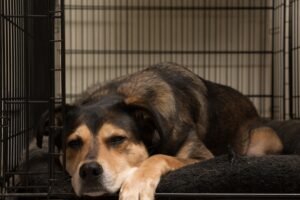
Dogs with hypothyroidism often seem tired. They may sleep more than usual. Playing or walking might tire them quickly. Lack of energy is a clear sign. This happens because the body’s metabolism slows down. The dog may lose interest in activities it once enjoyed.
Weight Gain
Unexpected weight gain is another key sign. The dog may eat the same but gain weight. This happens due to slower metabolism. Fat builds up even without extra food. Weight gain can lead to other health issues. Managing diet becomes very important.
Cold Sensitivity
Dogs with hypothyroidism may feel cold easily. They may seek warm places more often. Shivering or reluctance to go outside in cold weather is common. Low thyroid hormone affects the body’s ability to stay warm. Keep your dog comfortable during cold days.
Behavior Changes
Behavior can also change with hypothyroidism. Some dogs become more calm or less alert. They may seem depressed or less responsive. Changes in mood and behavior come from hormone imbalance. Paying attention to these signs can guide treatment.
Credit: butternutbox.com
Key Nutrients For Thyroid Health
Feeding a dog with hypothyroidism means focusing on key nutrients that support thyroid health. These nutrients help the thyroid gland work better. They also improve your dog’s energy and overall well-being. Understanding these nutrients helps you choose the right diet for your dog.
Importance Of Iodine
Iodine is essential for making thyroid hormones. These hormones control your dog’s metabolism and energy levels. Without enough iodine, the thyroid cannot produce enough hormones. This can worsen hypothyroidism symptoms. Foods rich in iodine include fish, seaweed, and dairy products. Make sure your dog’s diet has enough iodine to support thyroid function.
Role Of Selenium
Selenium helps protect the thyroid gland from damage. It also assists in converting thyroid hormones into their active form. This nutrient supports the immune system too. Brazil nuts, eggs, and fish are good sources of selenium. Including selenium in your dog’s diet can improve thyroid health and reduce inflammation.
Benefits Of Omega Fatty Acids
Omega fatty acids reduce inflammation and support healthy skin and coat. They also help regulate the immune system. These fats improve the overall health of dogs with thyroid issues. Fish oil and flaxseed oil are rich in omega fatty acids. Adding these to your dog’s meals can boost thyroid function and comfort.
Best Protein Sources
Choosing the right protein is important for dogs with hypothyroidism. Proteins support their energy and help keep muscles strong. Some protein sources are easier to digest and better for their health. These options provide good nutrition without causing extra stress on their thyroid.
Lean Meats
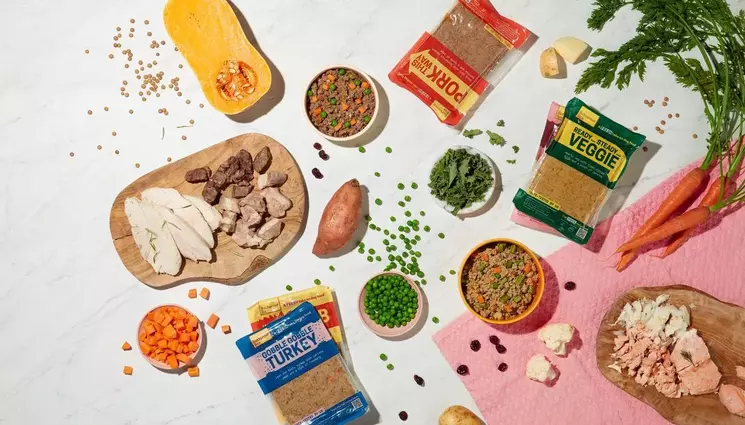
Lean meats like chicken and turkey offer high-quality protein. They have less fat, which helps maintain a healthy weight. Dogs with hypothyroidism often gain weight easily. Lean meats help control this problem. Cook the meat thoroughly to avoid any bacteria.
Fish And Seafood
Fish such as salmon and whitefish provide essential omega-3 fatty acids. These fats reduce inflammation and support the immune system. Fish is also a good source of protein and easy to digest. Avoid fried or heavily seasoned fish. Fresh or cooked fish is best for your dog.
Eggs
Eggs are a complete protein source. They contain all the amino acids dogs need. Eggs are gentle on the stomach and easy to prepare. Serve them cooked to avoid any risk of salmonella. Eggs can be a healthy treat or part of a balanced meal.
Ideal Carbohydrates
Choosing the right carbohydrates is key for dogs with hypothyroidism. Good carbs provide energy without causing weight gain. They also support healthy digestion and stable blood sugar levels. Focus on carbs that are easy to digest and rich in nutrients.
Whole Grains
Whole grains are a healthy carb source for dogs with thyroid issues. Brown rice, oats, and barley contain fiber that helps digestion. They also have vitamins and minerals that support overall health. Avoid refined grains that lack nutrients and cause blood sugar spikes. Whole grains release energy slowly, keeping your dog active longer.
Vegetables
Vegetables provide low-calorie carbs and essential nutrients. Sweet potatoes, carrots, and green beans are great choices. They have fiber that aids digestion and supports a healthy weight. Vegetables also contain antioxidants that protect cells from damage. Cook vegetables lightly to make them easier to digest for your dog.
Foods To Avoid
Feeding a dog with hypothyroidism requires careful food choices. Certain foods can worsen the condition. Avoiding these foods helps support your dog’s thyroid health and overall wellbeing. Below are key foods to stay away from.
Goitrogenic Ingredients
Goitrogens interfere with thyroid function. They can block iodine uptake, essential for thyroid hormone production. Foods like cabbage, broccoli, kale, and soy contain goitrogens. Avoid feeding these in large amounts or raw form. Cooking reduces goitrogen levels but does not remove them entirely.
High-fat And Processed Foods
High-fat and processed foods can strain your dog’s metabolism. These foods often contain unhealthy fats and additives. Avoid fried snacks, fatty meats, and processed dog treats. Such foods may lead to weight gain and worsen hypothyroidism symptoms. Choose fresh, balanced meals instead.
Supplements And Additives
Supplements and additives can support a dog with hypothyroidism. They help improve thyroid function and overall health. Choosing the right supplements is important for safety and effectiveness. Quality matters most. Always check with a vet before adding anything new to your dog’s diet.
When To Use Supplements
Use supplements if your dog’s food lacks essential nutrients. Sometimes, thyroid medication alone is not enough. Supplements can help balance vitamins and minerals. Signs like low energy or dull coat may mean your dog needs extra support. Never replace vet-prescribed medicine with supplements.
Safe Herbal Options
Some herbs may benefit dogs with hypothyroidism. Ashwagandha supports thyroid health naturally. Ginger helps reduce inflammation and boosts digestion. Turmeric has antioxidants that protect cells. Use herbs in small amounts and watch for any reaction. Always ask your vet before giving herbs to your dog.
Meal Planning Tips
Planning meals for a dog with hypothyroidism needs care and attention. The right diet supports their health and energy. Meals should help balance their hormone levels and maintain a healthy weight.
Choosing the right foods and amounts helps manage symptoms. Here are tips to guide you in meal planning for your dog.
Balancing Nutrients
Dogs with hypothyroidism need a diet rich in essential nutrients. Protein supports muscle health and keeps energy up. Include high-quality meats like chicken or turkey. Avoid too much fat to prevent weight gain. Fiber helps with digestion and keeps your dog full. Vegetables like carrots and green beans are good choices. Certain minerals like iodine and selenium support thyroid function. Use supplements only after talking to your vet. Avoid foods high in soy and raw fish. These can interfere with thyroid hormone production.
Portion Control
Keeping the right portion size is key for dogs with hypothyroidism. Overfeeding can cause weight gain, which worsens symptoms. Measure meals carefully using a kitchen scale or measuring cup. Feed smaller, more frequent meals instead of one big meal. Watch your dog’s weight weekly to adjust portions as needed. Avoid giving too many treats or table scraps. Treats should be low in calories and healthy. Proper portion control helps maintain a healthy weight and improves your dog’s quality of life.

Credit: www.homeskooling4dogs.com
Monitoring Your Dog’s Diet
Monitoring your dog’s diet is key when managing hypothyroidism. The right food supports hormone balance and overall health. Careful observation helps spot changes and adjust feeding routines. Keep track of what your dog eats and how they react. This helps you understand if the diet works well or needs change.
Signs Of Improvement
Look for higher energy levels and better mood. Notice if your dog’s coat becomes shinier and thicker. Weight loss or stable weight shows diet is effective. Reduced skin dryness and less itching are good signs. Your dog may also feel warmer and more comfortable.
When To Consult A Vet
Contact your vet if your dog’s symptoms worsen. Sudden weight gain or loss needs medical attention. If your dog is very tired or weak, see a vet. Persistent skin problems or hair loss require professional advice. Regular vet visits help track thyroid health progress.
Frequently Asked Questions
What Foods Are Best For Dogs With Hypothyroidism?
Lean meats, vegetables, and whole grains support thyroid health in dogs with hypothyroidism.
Can Hypothyroid Dogs Eat Grains Like Rice Or Oats?
Yes, rice and oats are gentle on digestion and good energy sources for hypothyroid dogs.
Should I Avoid Certain Foods For Hypothyroid Dogs?
Avoid soy, corn, and high-fat foods, as they may interfere with thyroid function.
How Much Protein Should A Hypothyroid Dog Eat Daily?
Moderate protein helps maintain muscle without stressing the thyroid; consult your vet for exact amounts.
Are Supplements Necessary For Dogs With Hypothyroidism?
Supplements like omega-3 fatty acids may help, but always check with your veterinarian first.
How Does Diet Affect Hypothyroidism Treatment In Dogs?
A balanced diet supports medication and improves energy levels and overall health in hypothyroid dogs.
Conclusion
Feeding a dog with hypothyroidism needs care and attention. Choose foods that support thyroid health and overall well-being. Balanced meals with the right nutrients help manage symptoms. Avoid foods that may interfere with medication or thyroid function. Regular vet check-ups ensure your dog stays healthy.
A good diet makes a big difference in their energy and mood. Small changes can lead to better health and happiness. Keep learning and adjusting your dog’s meals as needed. Your dog deserves the best care every day.
As an Amazon Associate, I earn from qualifying purchases.