If you care about your horse’s comfort and performance, understanding the wither strap is essential. This simple piece of equipment can make a big difference in how your horse feels during rides.
You might not have realized how much the right wither strap affects your horse’s movement and overall health. Keep reading, and you’ll discover why choosing the right wither strap matters—and how it can improve your riding experience for both you and your horse.

Credit: hoofbeatdesigns.com
Role Of Wither Straps
The wither strap plays a key role in horse tack. It helps keep the saddle in place. Without it, the saddle might slip forward or backward. This can cause discomfort to the horse and rider. The wither strap also supports better communication between horse and rider. It adds stability during riding, especially in fast or rough movements.
Understanding its role helps riders choose the right gear. It ensures safety and comfort for both horse and rider. The wither strap is a simple piece but has a strong impact on riding quality.
Purpose In Horse Tack
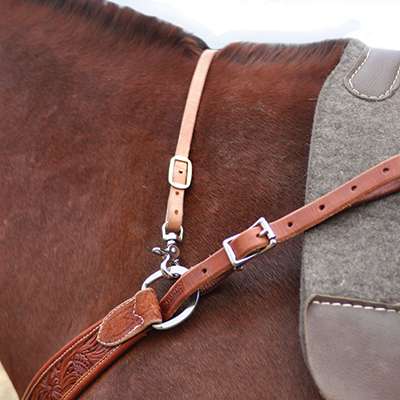
The wither strap fits over the horse’s withers. It connects the saddle to the horse’s body. This strap stops the saddle from sliding forward. It helps keep the saddle steady during rides. A steady saddle reduces pressure points on the horse’s back. This prevents soreness and injury. The strap also helps the saddle fit better on different horses. It makes riding safer and more comfortable for the horse.
Impact On Rider Control
A stable saddle improves rider control. The wither strap keeps the saddle from moving too much. This lets the rider stay balanced. Balanced riders can give clearer signals to the horse. It helps the horse respond better to commands. The strap also reduces distractions caused by a slipping saddle. Riders feel more confident and secure. This leads to smoother and safer rides for both horse and rider.
Credit: tripletcustomleather.com
Types Of Wither Straps
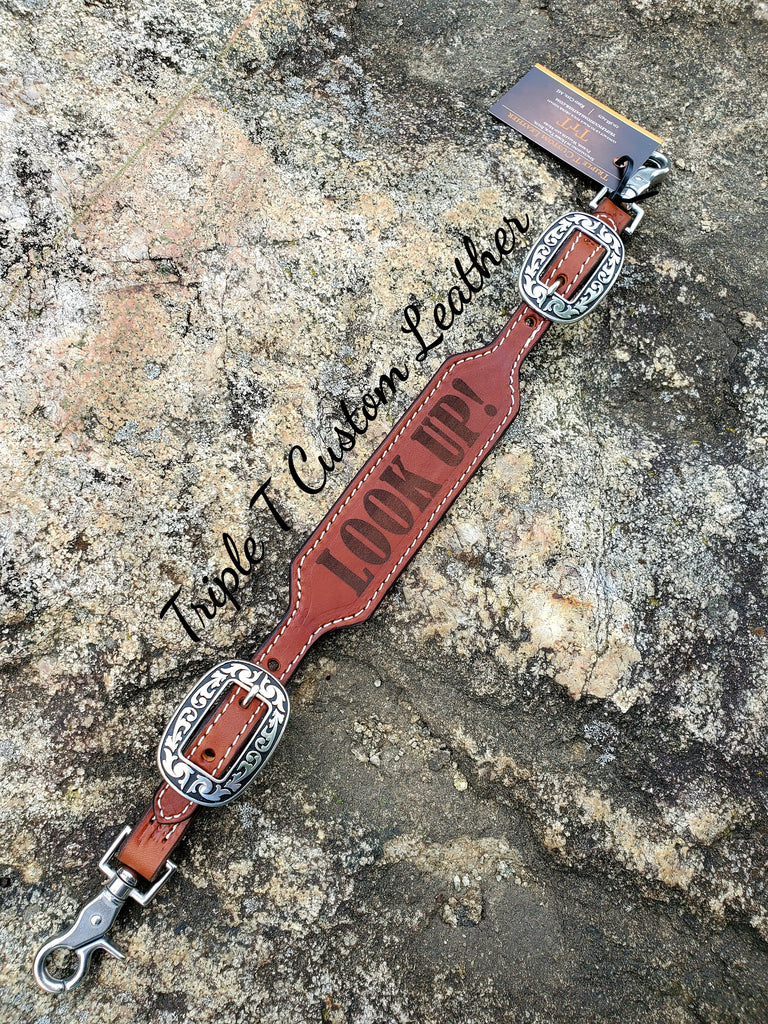
Wither straps are essential for a horse’s comfort and safety. They help keep the saddle in place and protect the horse’s withers. Different types of wither straps suit various needs and preferences. Choosing the right one can improve your horse’s riding experience.
Leather Vs Synthetic
Leather wither straps are classic and durable. They offer a natural look and feel. Leather molds to the horse’s shape over time. It requires regular cleaning and care to stay soft.
Synthetic straps are made from materials like nylon or neoprene. They are lightweight and easy to clean. Synthetic straps dry quickly and resist water damage. They often cost less than leather options.
Adjustable Designs
Adjustable wither straps allow changes in length and fit. This helps customize the strap to the horse’s shape. Adjustable straps can be tightened or loosened as needed. They are useful for growing horses or changing saddle types.
Some designs use buckles, while others use Velcro. Buckles provide a secure hold but take more time to adjust. Velcro straps are quicker to change but may wear out faster.
Choosing The Right Strap
Choosing the right wither strap for your horse is very important. It helps keep the saddle in place and makes riding safer. A good strap fits well and feels comfortable for your horse. Poor fit can cause pain or skin problems. Take time to choose a strap that suits your horse and your riding style.
Consider the size of your horse and how you plan to ride. Each factor affects which strap works best. This guide will help you find the right fit.
Matching Horse Size
Measure your horse’s withers carefully. The strap should fit snugly but not too tight. Too loose straps let the saddle slip. Too tight straps cause discomfort and restrict movement. Check the strap length and width for your horse’s build. Wide straps work better for bigger horses. Narrow straps suit smaller horses. Always test the strap before riding.
Considering Riding Style
Your riding style affects the type of strap needed. For jumping or fast riding, choose a strong, durable strap. Trail riding calls for comfort and flexibility. Dressage riders need straps that allow precise saddle control. Some straps have extra padding for long rides. Think about how you ride and pick a strap that supports your style.
Proper Fitting Techniques
Proper fitting techniques are key to using a wither strap on your horse. A well-fitted strap protects the horse’s comfort and improves performance. It stops rubbing and pressure on sensitive areas. This section explains the best way to measure and adjust the wither strap for a perfect fit.
Measuring The Withers
Start by finding the horse’s withers. This is the highest part of the shoulders. Use a soft tape measure for accuracy. Measure from the base of the neck to the top of the withers. Keep the tape snug but not tight. This measurement helps pick the right size strap.
Adjusting For Comfort
Place the wither strap on the horse gently. Check that it lies flat without twists. Adjust the length so it fits snugly but allows movement. Watch for any pinching or tight spots. The strap should stay in place without slipping. Comfort is key for both horse and rider.
Maintenance And Care
Proper maintenance and care of your wither strap horse keep it safe and comfortable. Regular care helps avoid wear and tear. It also improves the horse’s performance by ensuring the strap fits well.
Cleaning Tips
Clean the wither strap after every ride. Use a soft brush to remove dirt and sweat. Mild soap and water work best for cleaning leather or synthetic materials. Avoid harsh chemicals that can damage the strap. Rinse well and let it dry naturally. Do not place it under direct sunlight or near a heater. Keep the strap dry to prevent mold and bad odor.
Longevity Practices
Store the wither strap in a cool, dry place. Avoid folding or bending it sharply. Check for signs of wear like cracks or loose stitching regularly. Replace damaged parts promptly to keep the strap safe. Apply leather conditioner if the strap is leather. This keeps the material soft and flexible. Regular care makes the wither strap last longer and work better.
Credit: www.adams-tack.com
Common Issues And Solutions
Wither straps are important for your horse’s comfort and safety. Common problems can cause pain or injury. Knowing how to spot and fix these issues helps keep your horse happy.
Some problems come from poor fit or bad design. Others happen because of wear and tear. Regular checks can prevent many issues before they start.
Preventing Discomfort
Check the wither strap before every ride. Look for tightness or rubbing spots. Make sure it lies flat and does not pinch the skin.
Use soft padding under the strap to reduce pressure. Clean the strap often to avoid dirt buildup. Dirty straps can irritate the horse’s skin.
Watch your horse’s behavior during rides. Signs like head tossing or tail swishing may mean discomfort. Stop and adjust the strap if needed.
Fixing Fit Problems
Measure your horse’s withers carefully. The strap should be snug, not tight or loose. Adjust buckles to find the right fit.
Replace worn or stretched straps quickly. Old straps lose shape and cause slipping. Slipping straps can lead to saddle movement and injury.
Use a professional saddle fitter if unsure. They can check the fit and suggest changes. Proper fit improves your horse’s comfort and performance.
Enhancing Horse Performance
Enhancing horse performance is key for riders and trainers. A well-fitted wither strap horse accessory supports the horse’s movement. It helps the horse stay comfortable and focused. This support leads to better riding experiences and improved results.
Improved Comfort Benefits
The wither strap reduces pressure on the horse’s withers. It stops the saddle from slipping backward. This prevents sores and discomfort. Comfortable horses move more freely and willingly. Less irritation means better performance during training or riding.
Control And Safety
A wither strap adds extra control over the horse. It keeps the saddle stable during fast movements. This stability helps riders maintain balance and control. Safer rides reduce accidents and injuries. Both horse and rider feel more secure and confident.
Frequently Asked Questions
What Is A Wither Strap On A Horse?
A wither strap is a piece of tack placed over the horse’s withers to keep the saddle stable.
Why Is The Wither Strap Important For Horses?
It prevents the saddle from slipping backward, ensuring comfort and safety for the horse and rider.
How Do You Fit A Wither Strap Correctly?
The strap should be snug but not tight, sitting above the withers without pressing down.
Can A Wither Strap Cause Discomfort To A Horse?
Yes, if too tight or poorly placed, it can cause pain or skin irritation.
What Materials Are Wither Straps Usually Made From?
They are commonly made from leather or strong synthetic materials for durability and comfort.
How Often Should You Check Or Replace A Wither Strap?
Regular checks before riding are essential; replace it when worn or damaged to keep it safe.
Conclusion
A wither strap helps keep the saddle in place. It stops the saddle from sliding back. This keeps your horse comfortable and safe. Using the right strap matters a lot. It supports good riding and horse health. Always check the strap fits well before riding.
A well-fitted wither strap makes riding smoother. Small details like this make a big difference. Choose quality gear for your horse’s comfort. Safe rides start with proper equipment and care.
As an Amazon Associate, I earn from qualifying purchases.