If you care deeply about your horse’s comfort and performance, understanding wither straps is a must. These simple yet powerful tools can make a big difference in how your horse feels during rides.
Imagine your horse moving freely, without any discomfort or pressure on its withers. Wouldn’t you want to know how to achieve that? Keep reading to discover everything you need to know about wither straps and how they can improve your horse’s well-being and your riding experience.
Credit: www.adams-tack.com
Choosing The Right Wither Straps
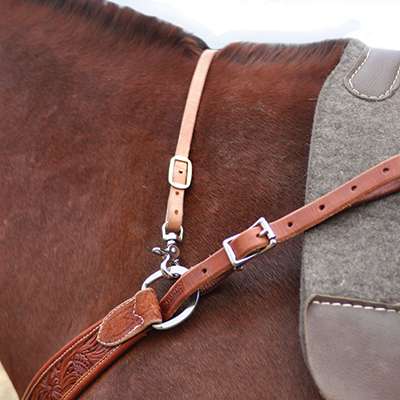
Choosing the right wither straps is key for your horse’s comfort and safety. These straps keep the saddle stable and prevent slipping. Picking the best strap means thinking about the material, size, and how well it fits your tack. Each factor affects how well the strap works and how happy your horse feels.
Materials And Durability
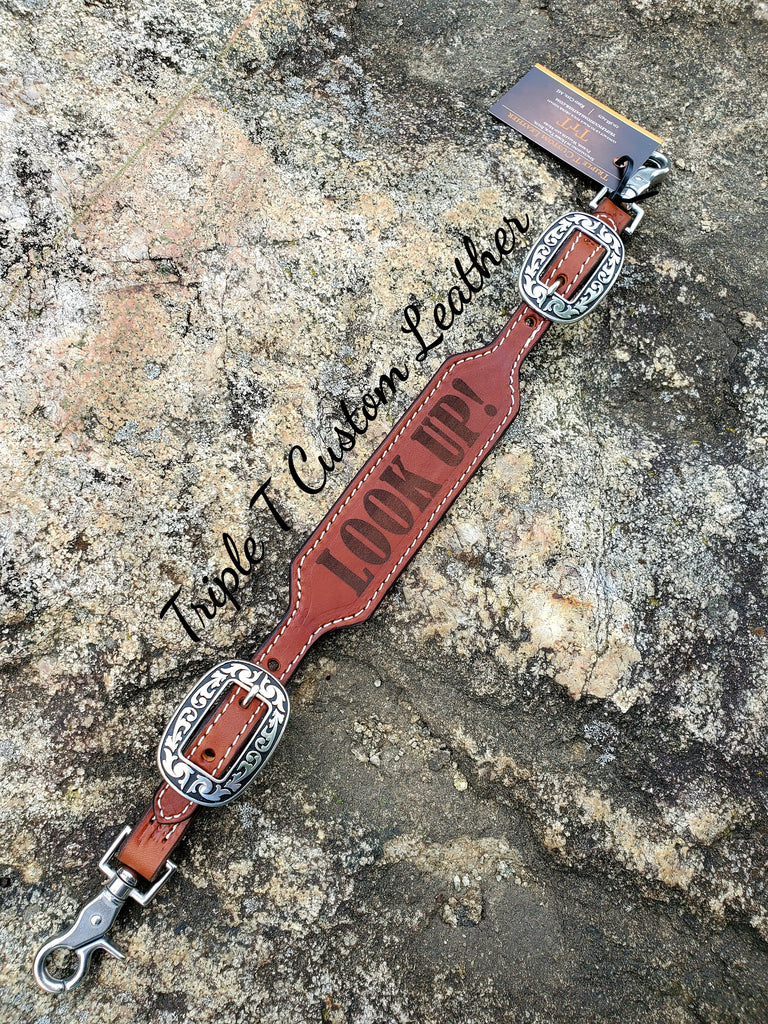
Choose wither straps made from strong materials like leather or nylon. Leather offers a classic look and lasts long with care. Nylon is lighter and dries quickly after rain. Durable straps resist wear and tear from daily use. Quality material keeps your horse safe and comfortable during rides.
Size And Adjustability
Straps come in different sizes to fit various horses. Measure your horse’s withers carefully before buying. Adjustable straps allow a better fit and can be tightened or loosened easily. A strap too tight can hurt your horse. Too loose, and the saddle may slip. Proper size keeps your horse calm and steady.
Compatibility With Tack
Not all wither straps fit every saddle or bridle. Check if the strap matches your tack’s design and attachment points. Some straps work best with English saddles, others with Western. Using compatible straps prevents gear damage and improves riding comfort. Matching your tack ensures everything works smoothly together.
Benefits Of Proper Wither Straps
Proper wither straps play a key role in horse riding comfort and safety. They keep the saddle in place and protect the horse from discomfort. Using the right wither straps improves the riding experience for both horse and rider.
Enhanced Saddle Stability
Wither straps hold the saddle firmly on the horse’s back. They stop the saddle from slipping forward or backward. This stability helps riders stay balanced. It also prevents sudden movements that could scare the horse.
Increased Comfort For Horses
Good wither straps reduce pressure on the horse’s withers. This area is sensitive and can hurt if pressed too hard. Proper straps spread the weight evenly. Horses feel less pain and move more freely.
Prevention Of Injuries
Proper wither straps protect the horse’s skin and muscles. They stop rubbing and chafing that cause sores. Secure straps prevent the saddle from sliding and causing falls. This lowers the risk of injuries for both horse and rider.
Fitting Wither Straps Correctly
Fitting wither straps correctly is important for your horse’s comfort and safety. Poor fitting can cause pain and restrict movement. Proper fit keeps the straps secure without hurting the horse. Follow these steps to get the right fit every time.
Measuring For A Secure Fit
Start by measuring the horse’s wither area carefully. Use a soft tape measure around the highest point of the withers. Make sure the tape is snug but not tight. Note the measurement to choose the correct strap size. A good fit prevents slipping and chafing during rides.
Adjusting Straps Safely
Adjust the straps slowly and evenly on both sides. Avoid pulling straps too tight, which can cause discomfort. Check that the straps lie flat and do not twist. Leave enough room for the horse to breathe and move freely. Tighten only until the straps feel secure, not restrictive.
Signs Of Incorrect Fit
Watch for signs like redness or hair loss on the withers. Uneven pressure marks or sores show poor strap fit. If the horse tries to rub or bite the straps, it may feel pain. Loose straps that move too much can cause chafing. Adjust straps if you see any of these signs.
Credit: tripletcustomleather.com
Common Issues And Solutions
Wither straps are essential for horse comfort and saddle fit. Sometimes, problems occur that affect their function. Knowing common issues helps you fix them quickly. This keeps your horse happy and prevents injury.
Dealing With Slippage
Straps can slip during rides. This makes the saddle unstable. Check the strap fit first. Tighten straps just enough to hold securely. Avoid over-tightening, which can harm the horse. Use anti-slip pads under the saddle for extra grip. Regularly clean straps to remove dirt and sweat. This helps maintain friction and prevents slipping.
Handling Strap Wear And Tear
Straps face constant stress and weather changes. Look for cracks, frays, or weak spots. Replace damaged straps immediately. Use leather conditioner on leather straps to keep them soft. For synthetic straps, clean with mild soap and water. Store straps in a dry, cool place to extend life. Regular checks ensure straps stay safe and strong.
Troubleshooting Pressure Points
Pressure points cause discomfort and sores on horses. Check where the strap touches the horse. Look for redness or swelling after rides. Adjust strap position or padding to reduce pressure. Use soft, padded straps to improve comfort. Monitor your horse’s reaction during and after rides. Early attention prevents long-term issues.
Maintenance And Care Tips
Proper maintenance and care of wither straps ensure they last longer and keep your horse comfortable. Regular attention helps avoid wear and tear. It also keeps the straps clean and safe for use. Follow these simple tips to care for your wither straps effectively.
Cleaning Methods
Remove dirt and sweat from the straps after each ride. Use a soft brush or cloth to wipe off debris. For leather straps, apply a mild soap and water solution. Rinse well and let them air dry away from direct sunlight. For synthetic straps, use warm water and gentle detergent. Avoid harsh chemicals that can damage the material.
Storage Recommendations
Store wither straps in a cool, dry place. Avoid damp areas that cause mold and mildew. Hang straps or lay them flat to keep their shape. Keep them away from direct sunlight to prevent fading. Use a breathable bag or container for extra protection.
When To Replace Straps
Check straps regularly for signs of wear or damage. Look for cracks, fraying, or weak spots. Replace straps if they lose elasticity or become stiff. Damaged straps can cause discomfort or injury to your horse. Timely replacement ensures safety and comfort during rides.
Popular Wither Strap Styles
Wither straps help keep a horse’s saddle in place. They come in different styles for comfort and fit. Choosing the right style can improve your horse’s riding experience.
Each style has unique features. Some focus on durability, others on comfort or flexibility. Understanding these options helps you pick the best strap for your horse.
Leather Vs. Synthetic Options
Leather wither straps offer classic strength and durability. They mold to the horse’s shape over time. Synthetic straps are lighter and easier to clean. They resist water and wear better in wet conditions.
Leather looks traditional and fits well after break-in. Synthetic is affordable and low-maintenance. Both types come in many colors and designs.
Elastic And Padded Designs
Elastic straps provide flexibility and allow movement. They help reduce pressure points on the horse’s withers. Padded straps add extra cushioning for comfort.
These designs are good for sensitive horses. They prevent rubbing and soreness during rides. Many riders prefer elastic or padded straps for long trips.
Custom And Specialty Straps
Custom straps fit horses with unique shapes or needs. They are made to measure for perfect comfort. Specialty straps include extra features like quick-release buckles or reflective materials.
These options suit riders with specific goals or horses with special requirements. Custom straps ensure the best fit and function.

Credit: hoofbeatdesigns.com
Frequently Asked Questions
What Are Wither Straps For Horses Used For?
Wither straps help keep the saddle in place by preventing it from slipping forward.
How Do Wither Straps Improve Horse Comfort?
They reduce pressure on the withers, making rides less painful for horses.
Can All Saddles Use Wither Straps?
Most saddles can fit wither straps, but check compatibility before buying.
How To Properly Attach Wither Straps On A Horse?
Attach straps under the saddle girth and adjust for snug, but not tight fit.
Do Wither Straps Prevent Saddle Slipping Completely?
They help reduce slipping, but proper saddle fit and girth are also important.
Are Wither Straps Suitable For All Horse Breeds?
Yes, wither straps can be used on any horse breed to improve saddle stability.
Conclusion
Choosing the right wither strap helps your horse stay comfortable and safe. It keeps the saddle stable during rides. This small tool can prevent many common problems. Horses feel less pressure and move more freely. Always check the strap’s fit before riding.
Good care leads to happy horses and better rides. Simple steps make a big difference in horse comfort. A well-fitted wither strap supports both horse and rider well.
As an Amazon Associate, I earn from qualifying purchases.