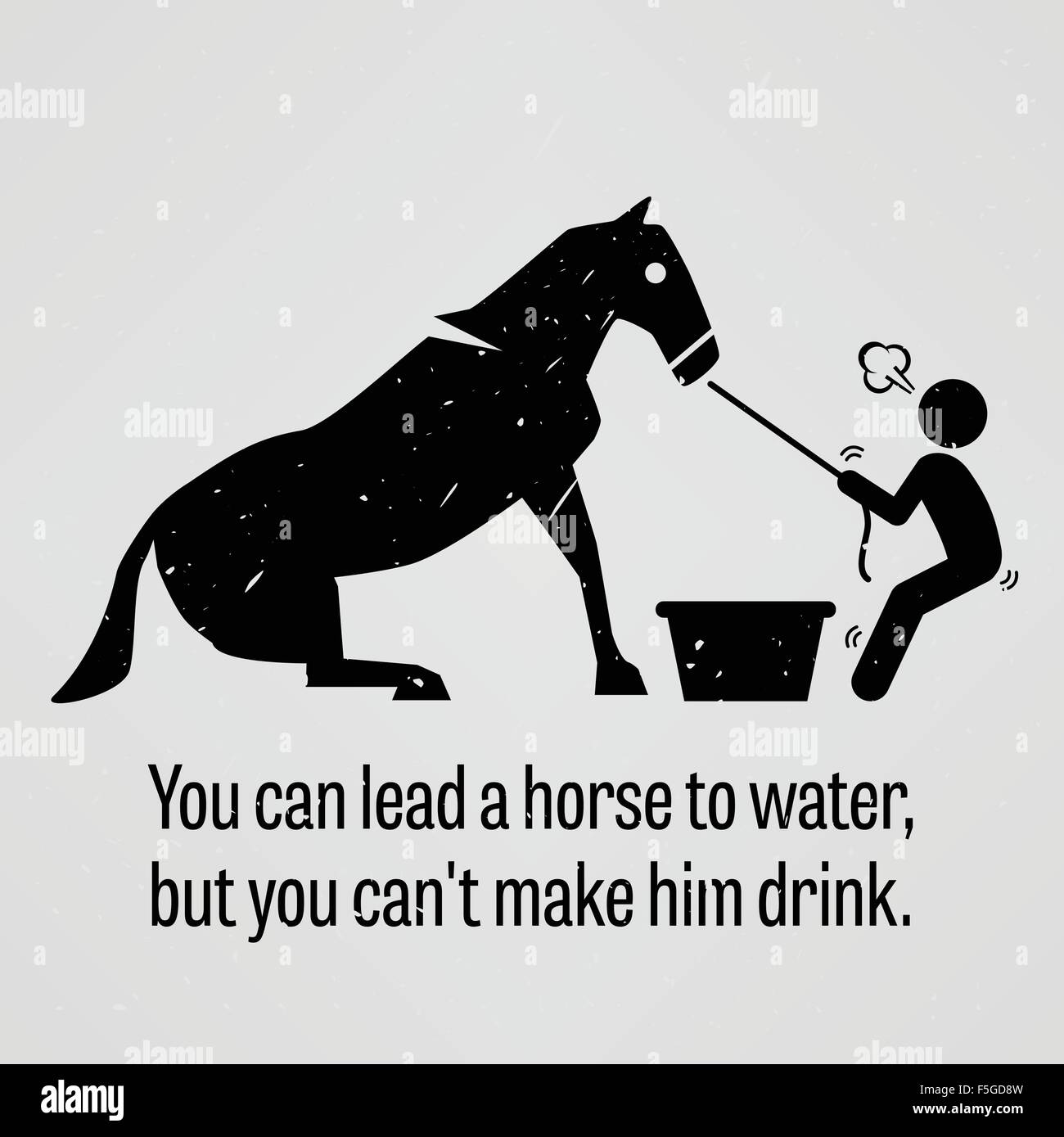
You’ve probably heard the saying, “You can lead a horse to water, but you can’t make it drink.” But what if this old phrase could come alive on a canvas? Imagine a painting that captures this powerful message, making you pause and think.
You’ll discover how the “You Can Lead a Horse to Water. . . . Painting” can speak to your own experiences and inspire you in ways you didn’t expect. Get ready to see art from a fresh perspective that connects deeply with your emotions and thoughts.
Keep reading—you won’t want to miss how this simple image can change the way you see things.
Choosing The Right Materials
Choosing the right materials is key to creating a great “You Can Lead a Horse to Water…” painting. Good materials make the process easier and the final artwork better. Each choice affects how your painting looks and feels.
Start by knowing what paints, brushes, and surfaces suit your style. These basics help bring your vision to life clearly and beautifully.
Selecting Paint Types
Pick paint based on the effect you want. Acrylic paints dry fast and work well for bright, bold colors. Oil paints take longer to dry but blend smoothly for soft shades. Watercolors offer a light, transparent look. Choose paints that feel right for your skill and project.
Brushes And Tools Essentials
Brushes shape your painting. Use flat brushes for sharp edges and round brushes for details. Keep a few sizes handy. Other tools like palette knives add texture. Clean brushes after each use. Good tools help you paint with control and ease.
Canvas And Surfaces
Canvas is the most common surface. It holds paint well and lasts long. You can also paint on paper, wood, or board. Each surface changes the paint’s look. Try different options to see what fits your “You Can Lead a Horse to Water…” painting best.
Credit: www.alamy.com
Basic Painting Techniques
Basic painting techniques form the foundation of every artwork. They help you control your brush and paint well. These skills make your painting look clear and interesting. Understanding these methods improves your confidence. It allows you to express your ideas better. The following sections explain key techniques to start with.
Brush Strokes And Blending
Brush strokes create the texture and shape of your painting. Use different strokes for different effects. Short strokes add detail. Long strokes cover large areas smoothly. Blending mixes colors softly on the canvas. Use a clean, dry brush to blend edges gently. This creates smooth transitions between colors. Practice both sharp and soft strokes for variety.
Color Mixing Tips
Mix colors carefully to get the right shade. Start with primary colors: red, blue, and yellow. Combine them to make secondary colors. Add white to lighten colors or black to darken. Mix small amounts first to avoid waste. Use a palette knife for even mixing. Test your color on paper before painting. This saves time and paint.
Layering And Texturing
Layering adds depth to your painting. Paint thin layers and let them dry before adding more. Each layer changes the color and feel. Texturing uses thick paint or special tools. You can use brushes, sponges, or palette knives. Different tools create unique effects. Experiment with layering and textures for richer art.
Capturing The Horse’s Form
Capturing the horse’s form is key to a strong painting. The horse’s body shows power and grace. Every curve and muscle tells a story. To paint this well, study the shape closely. Notice how parts fit and move together. This helps create a lifelike image that draws viewers in.
Understanding the horse’s form helps to show its spirit. The body language and details bring the painting to life. Focus on the structure and small touches. These elements make the horse feel real and full of character.
Anatomy And Proportions
Learn the main parts of the horse’s body. The head, neck, chest, legs, and tail all have specific shapes. Each part connects smoothly with the next. Correct proportions keep the horse balanced and natural. Use simple shapes to map the form first. This builds a solid base for details later.
Movement And Posture
Capture how the horse stands or moves. Posture shows mood and energy. A raised head can show alertness. A relaxed stance feels calm. Watch how muscles shift with motion. Painting these changes adds life and action. Avoid stiff poses for a natural look.
Expressive Details
Focus on eyes, ears, and mouth for emotion. Small details tell much about the horse’s mood. Soft eyes show calm or trust. Alert ears hint at focus or curiosity. The mouth and nostrils reveal tension or ease. These touches bring personality to your painting.
Creating Water Effects
Creating water effects in the “You Can Lead a Horse to Water…” painting adds life and depth. Water brings a natural feel to the scene. It also sets the mood and guides the viewer’s eye. Painting water takes careful observation and practice. Small details make a big difference.
Focus on how water moves and reflects light. Watch how ripples and shadows change shapes. These elements make the water look real and inviting. Use simple shapes and soft colors to start. Then build layers for texture and shine.
Reflections And Ripples
Reflections show what is above or near the water. They often look blurry or wavy. Use soft brush strokes to paint reflections. Match colors from the sky or nearby objects. Add ripples by drawing small, curved lines. Ripples break the reflection and show movement. Keep ripples light and thin for a natural look.
Light And Shadow Play
Light changes how water looks throughout the day. Bright light creates shiny spots called highlights. Paint these with white or light colors. Shadows give water depth and shape. Use darker blues and greens for shadows. Soft edges make shadows blend smoothly. This mix of light and dark creates a real water effect.
Wet Surfaces Techniques
Wet surfaces near water also show light and shine. Use thin layers of paint to create a glossy look. Blend colors gently to avoid harsh lines. Add small highlights on edges to show wetness. Use smooth strokes for smooth surfaces. This technique helps water feel part of the whole scene.
Composing The Scene
Composing the scene in a painting sets the mood and guides the viewer’s eye. It shapes how the story unfolds on the canvas. Careful arrangement of elements creates harmony and interest. Each part should work together to tell the story clearly and attractively.
Balancing Elements
Balance keeps a painting steady and pleasing. Place objects so no side feels too heavy or empty. Use size, color, and shape to spread weight evenly. This balance helps the viewer stay focused on the whole scene without distraction.
Focal Points And Depth
The focal point draws the viewer’s attention first. Make it clear by using brighter colors or sharper details. Add depth by layering objects from front to back. Shadows and light create space, making the scene feel real and alive.
Background Choices
Backgrounds set the tone for the main subjects. Choose colors and shapes that support the story but do not compete. Simple backgrounds keep the focus on the horse and water. Soft edges and muted tones help the foreground stand out.

Credit: artistcollectives.org
Adding Personal Style
Adding personal style to the “You Can Lead a Horse to Water…” painting makes it truly yours. It brings out your feelings and thoughts. Your unique touch can change how the painting looks and feels. This section shows simple ways to add your style to the artwork.
Experimenting With Color
Colors express mood and energy. Try bold or soft colors to see what fits your idea. Use unusual color mixes to surprise viewers. Changing colors can give the painting a fresh, new life. Don’t be afraid to paint outside the lines or blend shades for effect.
Incorporating Abstract Elements
Abstract shapes add mystery and interest. Use simple lines or shapes to hint at ideas. Abstract parts can make the painting feel modern and fresh. Play with forms that don’t match real life exactly. This lets you tell a deeper story with your art.
Using Mixed Media
Try adding paper, fabric, or other materials to your painting. Mixed media adds texture and depth. It makes the artwork more exciting to touch and see. Combining tools like pencils, paints, and pastels brings variety. This method helps your style stand out and feel alive.
Common Challenges And Fixes
Painting “You Can Lead a Horse to Water…” comes with its own set of challenges. These common issues can affect the overall look and feel. Fixing them early improves the painting’s impact. Here are simple ways to address these problems.
Correcting Proportions
Proportions often go wrong when sketching the horse or water. Check sizes against a reference image. Use light pencil marks for initial shapes. Adjust the horse’s legs, head, and body until they look natural. Measure distances carefully. Small changes make a big difference in realism.
Dealing With Color Mistakes
Color errors can dull the painting’s mood. Mix colors slowly and test on scrap paper first. Avoid using too much paint at once. If colors look off, gently wipe the area with a damp cloth before it dries. Layering thin washes can fix uneven tones. Keep colors true to the scene’s lighting.
Reviving Flat Areas
Flat areas lack depth and interest. Add shadows and highlights to create volume. Use a slightly darker color for shaded parts. Apply lighter tones where light hits the horse or water. Blend edges softly to avoid harsh lines. This technique adds life and movement to the painting.

Credit: www.reddit.com
Tips For Practice And Improvement
Improving your painting skills takes steady effort and smart practice. Small daily steps help build strong habits. Focused study and honest feedback guide progress. This section offers clear tips to help you practice and improve your “You Can Lead a Horse to Water…” painting skills.
Each tip is simple but powerful. Use them regularly for better results.
Daily Sketching Habits
Sketch every day. Spend at least 10 minutes drawing horses or water scenes. Quick sketches keep your hand steady and improve observation skills. Use pencils or pens. Try different poses and angles. This habit builds confidence and sharpens your eye for detail.
Studying Masterpieces
Look closely at famous horse paintings. Notice how artists show muscles and water reflections. Study color choices and brush strokes. Copy small parts of the artwork to understand techniques. This practice helps you learn new methods and see what works well.
Seeking Feedback
Show your work to others. Ask for honest opinions from friends or art groups. Listen carefully without arguing. Use the advice to fix mistakes and improve details. Feedback reveals blind spots and helps you grow faster as an artist.
Frequently Asked Questions
What Is The Meaning Behind “you Can Lead A Horse To Water” Painting?
This painting shows the old saying: you can help someone but not force them.
Who Created The “you Can Lead A Horse To Water” Painting?
The artist’s name varies; many use this theme to express choice and free will.
What Style Is Used In The “you Can Lead A Horse To Water” Painting?
Most versions use simple, clear images to highlight the message of choice and effort.
Where Can I See The “you Can Lead A Horse To Water” Painting?
You can find it in some galleries, online art sites, or as prints in shops.
Why Is This Painting Popular In Art And Culture?
It connects with people’s daily lives and shows a common truth about human effort.
How Can I Create My Own “you Can Lead A Horse To Water” Art?
Use simple images of a horse and water, focus on the idea of choice and effort.
Conclusion
Painting “You Can Lead a Horse to Water” shows a powerful message. It reminds us that we cannot force change on others. Art like this makes us think and feel deeply. Everyone sees the painting in their own way. It invites us to reflect on choice and freedom.
This piece stays with you long after you see it. It shows how simple images can tell strong stories. Art connects us all through shared ideas and emotions.
As an Amazon Associate, I earn from qualifying purchases.