If you’re searching for the perfect bit to help your junior cow horse perform at its best, you’ve come to the right place. Choosing the right bit can make a huge difference in how your horse responds, moves, and feels during training and competition.
You want something that offers control without causing discomfort, something that helps you communicate clearly with your horse. You’ll discover everything you need to know about junior cow horse bits—how to pick the right one, why it matters, and tips to make your riding experience smoother and more enjoyable.
Keep reading, because the right bit could change the way you and your horse work together forever.
Types Of Junior Cow Horse Bits
Junior cow horse bits are essential tools for training and controlling young cow horses. Each type of bit offers different benefits and control styles. Choosing the right bit helps build trust and communication between rider and horse. Understanding the basic types is key for beginners and trainers alike.
Snaffle Bits
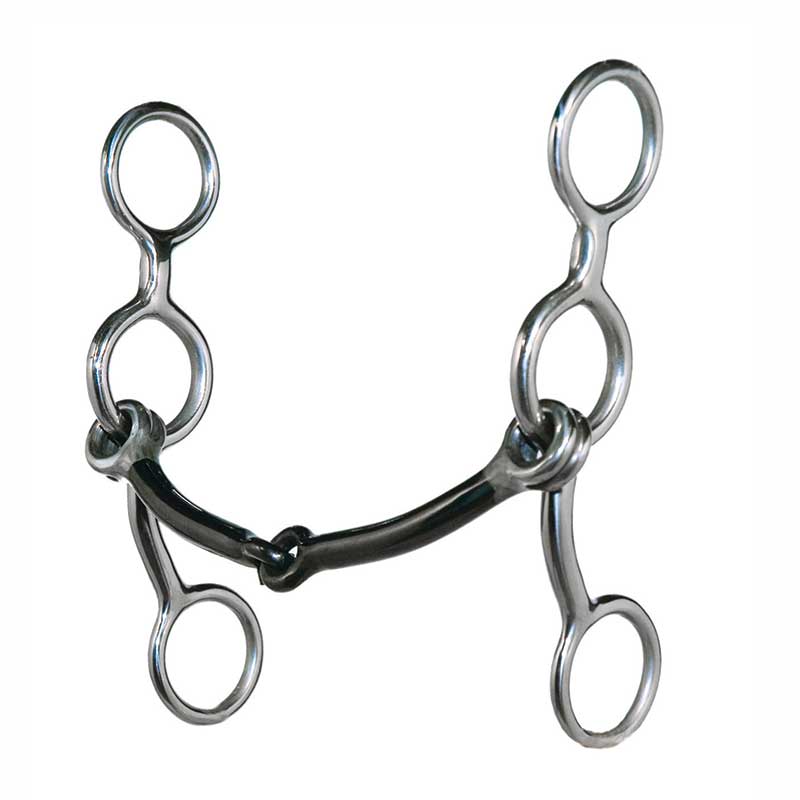
Snaffle bits are gentle and simple. They apply direct pressure on the horse’s mouth. This bit encourages light, soft signals. It is ideal for young horses learning to respond to commands. The design helps avoid harsh pressure. This makes it easier for horses to accept the bit.
Curb Bits
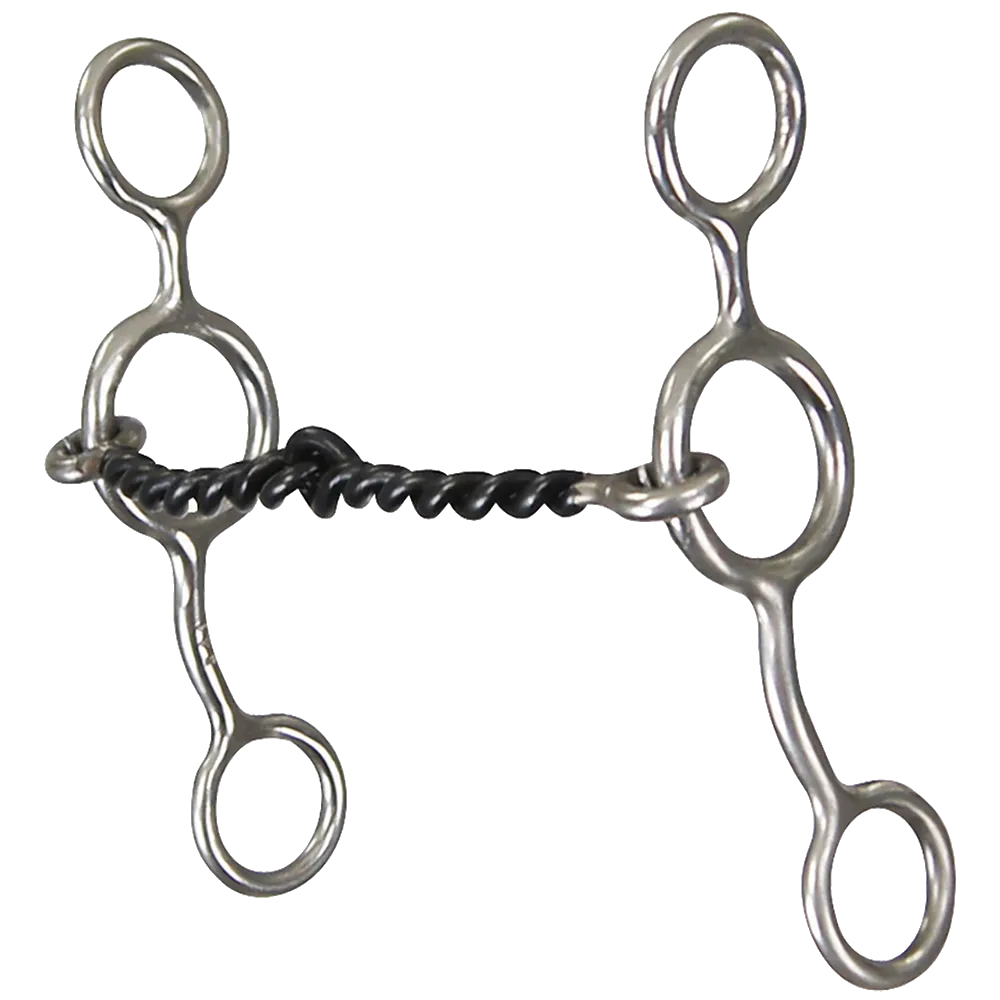
Curb bits use leverage to increase control. They have shanks that apply pressure to the horse’s chin and poll. This bit offers stronger signals than a snaffle. It is suited for horses that need firmer guidance. Riders must use curb bits carefully to avoid discomfort.
Combination Bits
Combination bits mix features of both snaffle and curb bits. They provide versatile control options. This bit allows riders to switch between gentle and firm pressure. It works well for horses transitioning from snaffle to curb. Combination bits support gradual training progress.
Credit: customcowboyshop.com
Materials And Construction
The materials and construction of a Junior Cow Horse Bit affect how it feels and works. These bits must be strong and comfortable. They help riders control their horses during training and competition. Choosing the right materials and design improves horse response and comfort.
Metal Choices
Junior Cow Horse Bits often use stainless steel for strength and rust resistance. Copper is common too, as it encourages salivation and softens the horse’s mouth. Some bits mix metals to combine benefits. The right metal helps the horse stay relaxed and responsive.
Mouthpiece Designs
Mouthpieces come in different shapes like straight, ported, or jointed. Straight bars apply even pressure on the horse’s tongue and bars. Ported mouthpieces create space for the tongue and reduce pressure. Jointed bits give more independent rein action. Each design affects comfort and control differently.
Shank Length And Shape
Shanks control leverage and signal strength. Shorter shanks give softer cues and less leverage. Longer shanks increase leverage and give stronger signals. The shape also matters. Curved shanks offer smoother rein movement. Straight shanks give a direct feel. Choosing shank length and shape depends on rider skill and horse training.
Fitting The Bit For Comfort
Fitting the Junior Cow Horse bit for comfort is key to a good ride. A well-fitted bit helps your horse respond calmly and clearly. Comfort keeps the horse relaxed and focused during training or work. Understanding how to fit the bit properly makes a big difference.
Correct Bit Size
Choose a bit size that matches your horse’s mouth width. The bit should rest comfortably without pinching the lips. Too small a bit can cause pain and sores. Too large a bit may slide and lose control. Measure your horse’s mouth or ask a trainer for help.
Bit Placement
Place the bit so it sits gently in the horse’s mouth. It should touch the corners of the lips without pulling hard. The bit should rest just behind the front teeth. Avoid placing it too low or too high. Proper placement prevents discomfort and helps clear communication.
Adjusting For Sensitive Mouths
Some horses have more sensitive mouths than others. Use a softer bit material or a milder mouthpiece. Adjust the cheekpieces to reduce pressure on the bars. Watch your horse’s reaction and make small changes. Comfort encourages trust and better performance.
Credit: partrade.com
Impact On Performance
The Junior Cow Horse Bit plays a key role in a horse’s performance. It affects how well the rider controls the horse. It also impacts the horse’s behavior during training and competition. Understanding these effects helps riders choose the right bit for better results.
Control And Responsiveness
This bit improves control by giving clear signals to the horse. The horse learns to respond quickly to small movements. This makes the rider’s commands more precise. Better control helps in tight turns and fast stops, essential in cow horse events.
Communication Between Rider And Horse
The bit acts like a bridge for communication. It allows the rider to send gentle, clear messages. The horse understands what the rider wants without confusion. This smooth communication builds trust and teamwork between horse and rider.
Effect On Horse Behavior
The right bit can calm a nervous horse. It encourages focus and reduces unwanted movements. Horses feel more comfortable and willing to perform tasks. This positive behavior improves overall training and competition results.
Training Considerations
Training a junior cow horse with the right bit is important. It helps the horse learn commands clearly and stay comfortable. Choosing and introducing the bit carefully supports good habits. Gradual progress with bits builds confidence and control.
Choosing The Right Bit For Skill Level
Select bits based on the horse’s training stage. Simple, gentle bits work best for beginners. Avoid harsh bits that may confuse or hurt young horses. As skills improve, switch to bits that offer more control.
Introducing Bits To Young Horses
Introduce the bit slowly and calmly. Let the horse get used to it without pressure. Use soft reins and gentle hands during first rides. Watch for signs of discomfort or stress. Patience helps the horse accept the bit better.
Bit Progression Strategies
Start with mild bits and move to stronger ones over time. Change bits step-by-step, not all at once. Match bit changes with the horse’s learning pace. Keep training sessions short and positive. This approach strengthens trust and communication.

Credit: www.tackwarehouse.com
Common Mistakes To Avoid
Choosing the right Junior Cow Horse Bit can be tricky. Many riders make simple mistakes that hurt their horse’s comfort and performance. Avoiding these errors helps build trust and better control. Here are common mistakes to watch out for.
Using The Wrong Bit Size
Bits that are too big or too small cause discomfort. A tight bit can pinch the horse’s mouth. A loose bit moves too much and confuses the horse. Always measure your horse’s mouth before buying a bit. Proper fit improves communication and prevents pain.
Overuse Of Severe Bits
Some riders choose harsh bits to control their horses. This often leads to resistance and fear. Young horses especially need gentle guidance. Start with mild bits and increase severity only if necessary. Overusing severe bits can damage the horse’s mouth and trust.
Ignoring Horse Feedback
Horses show signs when a bit hurts or bothers them. Look for head tossing, mouth opening, or refusal to work. Ignoring these signs can worsen the problem. Pay attention and adjust the bit or riding style. Listening to your horse keeps training safe and effective.
Maintaining And Caring For Bits
Caring for your Junior Cow Horse bit keeps it working well and lasting longer. Proper care helps keep your horse comfortable. It also prevents damage that could cause problems during riding. Small daily steps make a big difference. Clean bits after each use and check for wear often. Store bits properly to avoid rust and damage.
Cleaning Techniques
Rinse the bit with warm water after each ride. Use a soft brush to remove dirt and saliva. Mild soap can help if the bit is very dirty. Avoid harsh chemicals that may harm the metal. Dry the bit completely with a clean cloth. This prevents rust and keeps the bit shiny. Regular cleaning keeps your bit smooth and safe.
Inspecting For Wear And Damage
Check the bit regularly for cracks or sharp edges. Look for worn spots where metal has thinned. Bent or broken parts can hurt your horse’s mouth. Replace the bit if you see any damage. Even small problems can cause big discomfort. Inspect the bit before and after each ride. Safe bits protect your horse’s health.
Storage Tips
Store bits in a dry, cool place to prevent rust. Hang them or keep them in a padded box. Avoid damp areas that cause metal to corrode. Keep bits separate from other tack to avoid scratches. Cover bits with a cloth if stored for a long time. Proper storage keeps bits ready for your next ride.
Expert Recommendations
Choosing the right Junior Cow Horse Bit is key for good performance. Experts give advice based on experience and horse comfort. Their tips help riders find the best fit for training and shows.
Experts focus on quality, fit, and horse response. They suggest options that balance control and comfort well. Understanding their advice helps riders improve horsemanship.
Top Brands And Models
Trusted brands create reliable bits for junior riders. Some popular choices include Myler, Weimer, and Trophy. These bits offer smooth action and durability. Experts highlight models that fit young horses well. They recommend bits with gentle pressure points.
Custom Bit Options
Custom bits suit specific horse needs. Experts suggest tailored designs for unique mouth shapes. Custom bits improve comfort and control. These bits often use soft materials or special joints. A proper fit reduces resistance and tension.
Consulting With Trainers And Vets
Trainers and vets provide valuable bit advice. They observe horse behavior and health closely. Experts advise discussing bit choices with them. Trainers help select bits that match training goals. Vets check for mouth issues affecting bit use. Their insight ensures safe and effective riding.
Frequently Asked Questions
What Is A Junior Cow Horse Bit Used For?
It helps control young horses during cow horse training and competitions.
How Does A Junior Cow Horse Bit Differ?
It is gentler and smaller, designed for younger, less experienced horses.
What Materials Make A Junior Cow Horse Bit?
Commonly made of stainless steel or copper for durability and comfort.
How Do I Choose The Right Size Bit?
Measure your horse’s mouth width for a comfortable and effective fit.
Can A Junior Cow Horse Bit Improve Horse Behavior?
Yes, it offers better control and communication during training sessions.
How To Maintain A Junior Cow Horse Bit?
Clean after each use to prevent rust and keep it in good condition.
Conclusion
Choosing the right junior cow horse bit helps your horse perform better. It offers clear communication and better control. Riders gain confidence with a well-fitted bit. Comfort for the horse is equally important. Remember to check fit and type carefully.
A good bit supports training and safety. Keep learning and observing your horse’s response. Small changes can make a big difference. Practice patience and enjoy your riding journey.
As an Amazon Associate, I earn from qualifying purchases.