If you work with horses or manage a stable, you know how important it is to keep their environment clean and comfortable. That’s where a horse rake comes in.
This simple tool can save you time and effort while keeping your barn or paddock tidy. Whether you’re dealing with manure, hay, or debris, the right horse rake makes the job easier and faster. You’ll discover how to choose the best horse rake for your needs and get tips on using it like a pro.
Keep reading to learn how this handy tool can transform your daily chores.
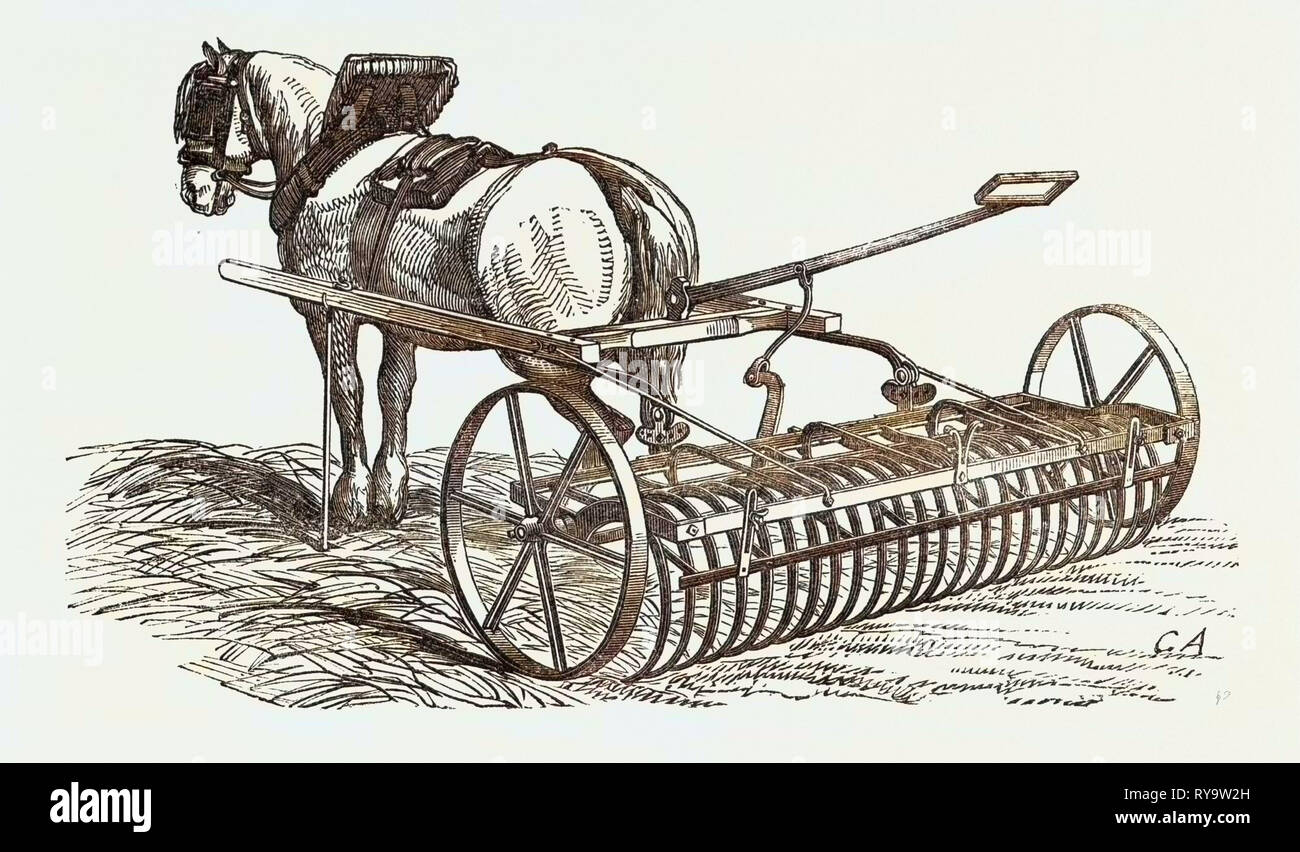
Credit: www.alamy.com
Types Of Horse Rakes
Horse rakes help gather hay and straw efficiently. Different types suit various farming needs. Understanding each type helps choose the right rake for your work.
Wheel Rakes
Wheel rakes have several large wheels with tines attached. These wheels rotate to collect hay into windrows. They work well on flat fields and dry hay. They are simple to use and maintain. Their design covers a wide area quickly.
Rotary Rakes
Rotary rakes use rotating arms with tines to lift hay gently. This method reduces leaf loss and preserves hay quality. They are ideal for delicate crops and uneven terrain. The rotary action creates clean, even windrows. They often require less power to operate.
Parallel Bar Rakes
Parallel bar rakes have long bars with tines arranged parallel. They sweep hay into rows by moving sideways. These rakes are good for light crops and soft ground. They cause minimal damage to the soil. Their simple design makes them durable.
Star Wheel Rakes
Star wheel rakes feature star-shaped wheels with multiple arms. Each arm has tines that gather hay as the wheels turn. They handle thick and heavy crops well. Their flexible wheels adjust to the ground surface. This type improves the rake’s efficiency on rough fields.
Choosing The Right Horse Rake
Choosing the right horse rake is important for smooth farm work. The right tool saves time and effort. It helps keep your fields clean and healthy. Consider several key points before buying a horse rake. This ensures you get the best fit for your needs.
Think about your farm size, the power of your horse, the materials used, and how easy it is to maintain. Each factor affects the rake’s performance and lifespan.
Farm Size And Terrain
Large farms need wider rakes to cover more ground. Small farms may do well with compact rakes. Terrain matters too. Flat fields allow easy movement. Hilly or rough land requires sturdy, flexible rakes. Choose a rake that matches your farm layout for better results.
Horse Power Requirements
Match the rake size with your horse’s strength. Heavy rakes need strong horses. Light rakes work well with smaller horses. Avoid overworking your horse by picking a rake that fits its power. This keeps your horse healthy and your work efficient.
Material Durability
Look for rakes made from strong materials like steel or hardwood. These last longer and resist damage. Avoid cheap metals that bend or break easily. Durable materials reduce repair costs and downtime. Quality rakes handle tough farm conditions better.
Ease Of Maintenance
Choose a rake that is easy to clean and fix. Simple designs save time on maintenance. Rakes with replaceable parts keep costs low. Regular care keeps your rake working well for years. Easy maintenance means less hassle and more work done.
Benefits Of Using A Horse Rake
Using a horse rake offers many benefits for farmers and horse owners. It helps make hay gathering easier and faster. The tool is simple but effective, improving work quality and saving effort. Understanding these benefits helps in choosing the right equipment for farm tasks.
Time Efficiency
A horse rake speeds up the hay collection process. It gathers hay into neat rows quickly. This reduces the time spent working in the field. Less time spent raking means more time for other tasks. The simple design allows easy handling by horses.
Improved Feed Quality
The rake helps keep hay clean and dry. It turns hay gently, avoiding damage to leaves. This preserves the nutrients in the feed. Cleaner hay means healthier animals and better growth. Good feed quality supports the overall farm productivity.
Reduced Labor Costs
Horse rakes lower the need for many workers. One person with a horse can do the job well. Less manual labor reduces farm expenses. The tool requires less fuel than motorized machines. This saves money and energy on the farm.
Environmental Impact
Using a horse rake is eco-friendly. It does not rely on fuel or electricity. The gentle action prevents soil damage and compaction. Horses produce less pollution than machines. This tool helps maintain a healthy farm environment.

Credit: en.wikipedia.org
Operating Tips For Best Results
Operating a horse rake correctly improves efficiency and keeps your equipment safe. Small changes can make a big difference in your raking results. Follow these simple tips to get the best performance from your horse rake.
Proper Hitching Techniques
Attach the rake securely to your horse’s harness. Check all straps for tightness and wear. Make sure the rake is balanced and does not pull to one side. Proper hitching helps your horse pull smoothly and reduces strain.
Optimal Raking Speed
Keep a steady, moderate speed while raking. Moving too fast can scatter hay and cause missed spots. Too slow makes the process longer and tires your horse. Aim for a pace that lets the rake gather hay evenly.
Adjusting Rake Settings
Change the rake angle to match the field condition. Use wider settings for thick hay and narrower for thinner loads. Adjust the tine height for better ground contact. Proper adjustments improve hay collection and reduce waste.
Safety Precautions
Wear gloves to protect your hands while handling the rake. Keep clear of moving parts to avoid injury. Train your horse to stay calm around the rake. Regularly inspect the rake for damage or loose parts before use.
Maintenance And Care
Proper maintenance and care keep your horse rake working well. It helps avoid breakdowns and extends the tool’s life. Simple steps make a big difference in performance.
Regular Cleaning
Remove dirt and debris after each use. Use a brush to clear stuck grass and soil. Cleaning prevents rust and keeps parts moving smoothly. Dry the rake before storing it to stop moisture damage.
Lubrication Points
Apply oil to all moving parts regularly. Focus on joints, wheels, and rake arms. Lubrication reduces friction and wear. Check the owner’s manual for the right oil type and schedule.
Replacing Worn Parts
Inspect the rake for broken or worn pieces. Replace bent tines and damaged wheels quickly. Using worn parts lowers efficiency and can cause further damage. Keep spare parts ready for quick repairs.
Storage Recommendations
Store the rake in a dry, covered place. Protect it from rain and direct sunlight. Hang it or place it on a flat surface. Good storage prevents rust and keeps the rake ready for use.
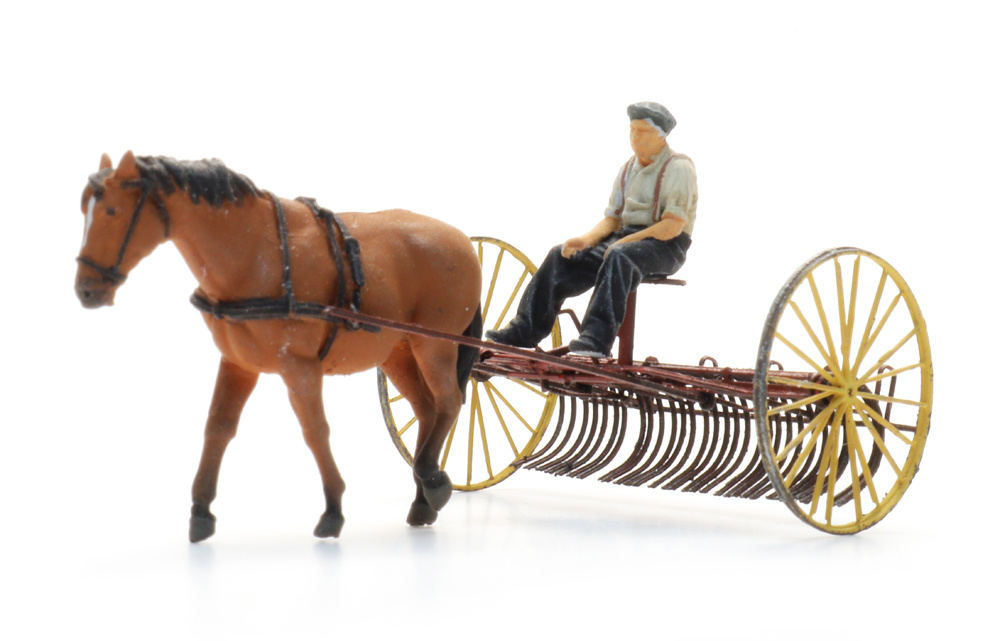
Credit: www.artitecshop.com
Common Problems And Fixes
Horse rakes are useful tools for keeping horse arenas clean and safe. Like all equipment, they face some common problems. Fixing these issues quickly keeps the rake working well. It also helps avoid damage and safety risks. Here are frequent problems and easy fixes for horse rakes.
Uneven Raking Patterns
Uneven raking leaves some areas messy or rough. This happens when the rake teeth are set unevenly or the rake frame is bent. Check the teeth to ensure they all touch the ground at the same level. Adjust or replace any bent or broken teeth. Also, inspect the frame and straighten it if needed. Regular maintenance prevents uneven raking and keeps the surface smooth.
Rake Teeth Damage
Teeth on horse rakes can wear down or break from hard use. Damaged teeth reduce the rake’s effectiveness. Inspect teeth often for signs of cracks or bending. Replace any damaged teeth immediately. Using strong but flexible teeth helps them last longer. Proper storage also protects teeth from unnecessary damage.
Troubleshooting Mechanical Issues
Mechanical problems stop the rake from working correctly. Check moving parts like wheels, axles, and joints for rust or wear. Lubricate these parts regularly to keep them moving smoothly. Tighten any loose bolts or screws. If parts are broken, replace them quickly. Regular checks stop small issues from becoming big repairs.
Preventing Horse Injury
Horse safety near the rake is very important. Sharp or loose parts can hurt horses. Always check the rake for sharp edges or loose pieces. Keep horses away from the rake while it moves. Store the rake in a safe place when not in use. Clean and maintain the rake to reduce injury risks.
Innovations In Horse Rake Technology
Horse rake technology has seen many changes over the years. These innovations make farming easier and faster. New designs improve how the rake works and lasts longer. Farmers benefit from better tools that save time and effort.
Modern Materials
Manufacturers now use strong, lightweight materials for horse rakes. Steel parts resist rust and wear, increasing lifespan. Aluminum frames reduce weight but stay sturdy. These materials help rakes perform better in tough fields.
Adjustable Features
Adjustable parts allow farmers to change rake width and height. This helps handle different crops and field sizes. Easy adjustments save time during work. Farmers can customize raking to suit their needs.
Integration With Other Equipment
Horse rakes now connect smoothly with tractors and other tools. Some models attach to mowers or balers for faster work. This integration creates efficient farming systems. It reduces the need for extra passes in the field.
Frequently Asked Questions
What Is A Horse Rake Used For?
A horse rake helps collect hay and grass into piles for easy gathering.
How Does A Horse Rake Work?
It uses rotating teeth to gather hay as the horse pulls it.
Why Choose A Horse Rake Over A Modern Mower?
Horse rakes are gentle on grass and do not need fuel or electricity.
Can One Person Operate A Horse Rake Easily?
Yes, one person can guide the horse and control the rake comfortably.
What Types Of Terrain Suit A Horse Rake Best?
Flat or gently sloped fields work well for horse rakes.
How To Maintain A Horse Rake For Long Use?
Keep the teeth sharp, clean the rake, and oil moving parts regularly.
Conclusion
A horse rake helps keep fields clean and neat. It gathers hay and leaves quickly. Using it saves time and effort. It fits well with many horse farms. Choosing the right rake makes work easier. Regular use keeps pastures healthy and tidy.
Simple tools like this improve daily tasks. Everyone can benefit from a good horse rake. It’s a smart addition to farm equipment. Try one to see the difference yourself.
As an Amazon Associate, I earn from qualifying purchases.