If you care about your horse’s health and performance, you’ve probably heard about linseed oil. But what exactly can it do for your horse?
Imagine a natural supplement that supports shiny coats, healthy digestion, and strong muscles—all in one simple addition to their diet. Sounds promising, right? Keep reading to discover how linseed oil can make a real difference for your horse’s well-being and why it might be the secret ingredient you’ve been looking for.

Credit: sciencesupplements.co.uk
Nutritional Value Of Linseed Oil
Linseed oil is a natural supplement for horses with many health benefits. It has a rich nutritional profile that supports overall well-being. Feeding linseed oil to horses helps improve their coat, digestion, and immune system. Understanding its nutritional value helps horse owners make informed choices.
Essential Fatty Acids
Linseed oil contains high levels of omega-3 fatty acids. These fats are essential for horses but cannot be made by their bodies. Omega-3 supports healthy skin and a shiny coat. It also helps reduce inflammation and joint pain. Horses on linseed oil often show better mobility and comfort.
Vitamins And Minerals
Linseed oil provides important vitamins such as vitamin E. Vitamin E helps protect cells from damage. It also supports muscle function and overall health. The oil contains small amounts of minerals that aid in metabolic processes. These nutrients work together to keep horses strong and active.
Antioxidant Properties
Linseed oil acts as a natural antioxidant source. It helps fight free radicals in the horse’s body. Free radicals can cause cell damage and aging. Antioxidants protect cells and support the immune system. This protection helps horses stay healthy and recover faster from stress.
Boosting Coat Shine And Appearance
Linseed oil is a natural way to improve your horse’s coat shine and appearance. It nourishes the skin and hair, making the coat look healthier. Regular use can bring out a natural glow that catches the eye.
Enhancing Hair Smoothness
Linseed oil helps smooth the hair by adding moisture deep inside. It reduces roughness, leaving the coat soft to touch. Smooth hair also lies flat, which improves the overall look.
Reducing Dullness And Dryness
Dull coats often mean dry skin or lack of nutrients. Linseed oil supplies essential fatty acids that hydrate the skin. This hydration stops flakes and rough patches, keeping the coat fresh and lively.
Supporting Natural Sheen
The oil supports the coat’s natural oils, boosting its shine. It helps hair reflect light better, giving a bright, healthy look. This natural sheen is a sign of good care and health.
Improving Digestive Health
Linseed oil plays a key role in improving your horse’s digestive health. It supports the digestive system gently and naturally. Horses often struggle with digestion problems. Linseed oil helps ease these troubles and keeps their gut working well.
Feeding linseed oil can benefit many parts of digestion. It helps horses absorb nutrients better and stay comfortable after meals. This natural oil also supports a healthy balance of gut bacteria. A balanced gut means fewer stomach issues and better overall health.
Aiding Digestion
Linseed oil contains omega-3 fatty acids and fiber. These help slow digestion and improve nutrient absorption. A slower digestion process means less strain on the horse’s stomach. It also reduces the chance of loose stools or constipation. This makes digestion smooth and steady.
Promoting Gut Flora Balance
Good gut bacteria are vital for a healthy horse. Linseed oil supports the growth of these friendly microbes. A balanced gut flora helps break down food efficiently. It also protects the digestive tract from harmful bacteria. Healthy gut flora leads to better energy and mood in horses.
Reducing Colic Risks
Colic is a common and serious problem in horses. Linseed oil helps lower the risk by soothing the gut lining. Its anti-inflammatory properties calm digestive tissues. This reduces spasms and discomfort in the stomach. Regular use of linseed oil can keep colic risks down and your horse happier.
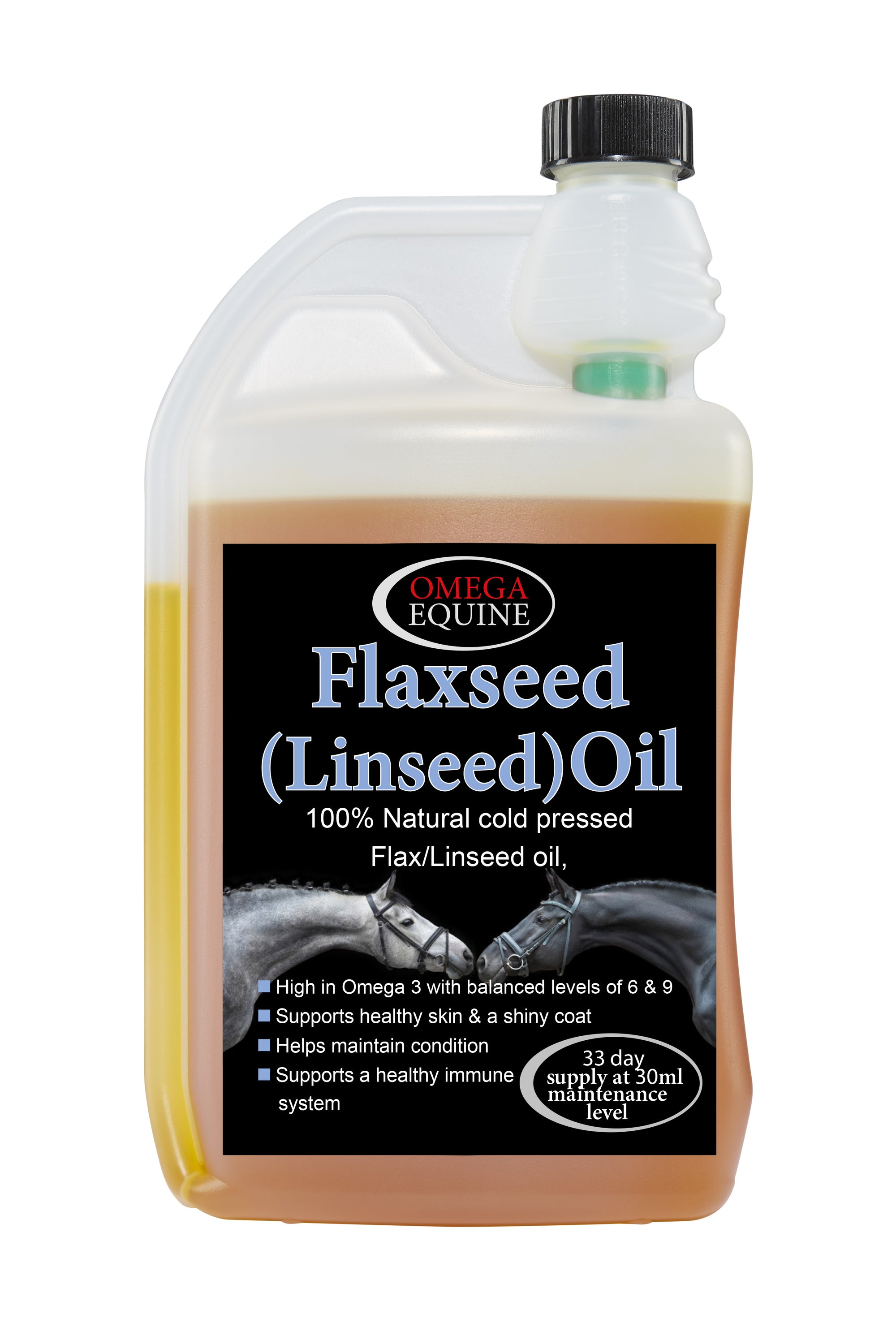
Credit: omegaequine.co.uk
Supporting Joint And Muscle Function
Linseed oil supports healthy joint and muscle function in horses. It helps reduce pain and improves movement. Horses with stiff joints or sore muscles benefit from its natural properties. Regular use can keep them active and comfortable.
Anti-inflammatory Effects
Linseed oil contains omega-3 fatty acids that reduce inflammation. This helps ease swelling in joints and muscles. Less inflammation means less pain for your horse. It supports healing and helps maintain joint health naturally.
Easing Stiffness And Soreness
The oil soothes muscles and joints that feel tight or sore. It improves blood flow, which helps muscles relax. Horses recover faster after exercise or hard work. This oil can make daily movement easier and less painful.
Enhancing Mobility
Linseed oil supports flexibility and range of motion. Joints stay lubricated and muscles stay strong. Horses move with more ease and less resistance. This helps maintain an active and happy horse for longer.
Boosting Immune System
Linseed oil offers many benefits for horses, especially for their immune system. A strong immune system helps horses fight infections and stay healthy. Regular use of linseed oil supports this vital function naturally.
Strengthening Disease Resistance
Linseed oil contains omega-3 fatty acids that support the immune system. These fats help reduce inflammation and improve cell function. This means horses can resist illnesses better and recover faster.
Reducing Allergies
The anti-inflammatory properties of linseed oil help calm allergic reactions. Horses with skin or respiratory allergies may feel relief. This oil helps soothe the immune response to allergens.
Promoting Overall Vitality
Healthy immune function boosts a horse’s energy and spirit. Linseed oil provides nutrients that support overall body health. Horses feel more active and lively with regular use.
Safe Usage And Dosage Tips
Using linseed oil for horses requires care and correct dosage. Proper use helps your horse gain benefits without risks. Knowing the right amount and how to mix it is key. Watch your horse for any side effects to keep it safe.
Recommended Serving Sizes
Start with small amounts of linseed oil. For an average horse, 30 to 60 ml daily works well. Foals and smaller horses need less, about 10 to 20 ml. Increase slowly if needed, but do not exceed 100 ml a day. Too much oil can upset digestion.
Mixing With Feed
Mix linseed oil into your horse’s regular feed. Adding it to soaked hay or grain makes it easy to eat. Stir the oil well so it spreads evenly. Avoid pouring oil directly into the mouth. This can cause choking or discomfort.
Potential Side Effects
Some horses may have mild stomach upset at first. Watch for diarrhea or loose stools. Stop using oil if your horse shows allergic reactions like itching or swelling. Always introduce linseed oil gradually to reduce risks.
Comparing Linseed Oil With Other Supplements
Choosing the right supplement for horses affects their health and performance. Linseed oil is popular, but other options exist. Each supplement offers unique benefits and nutrients. Comparing linseed oil with others helps find the best choice for your horse’s needs.
Flaxseed Vs Fish Oil
Flaxseed oil and fish oil both provide omega fatty acids. Flaxseed oil is rich in omega-3 ALA, a plant-based fat. Fish oil contains EPA and DHA, omega-3 fats from marine sources. EPA and DHA support heart and brain health strongly. Flaxseed oil suits horses with fish allergies or dietary restrictions. Both help improve coat shine and reduce inflammation. The choice depends on your horse’s health needs and diet.
Linseed Oil Vs Coconut Oil
Linseed oil contains high omega-3 fats, good for inflammation. Coconut oil has mostly saturated fats, which provide quick energy. Linseed oil promotes healthy skin and joints. Coconut oil may support digestion and boost energy levels. Linseed oil has a thinner texture and a mild nutty taste. Coconut oil is thicker and has a sweeter smell. Both oils can add calories and fat to the diet but serve different purposes.
Cost And Availability
Linseed oil is often affordable and widely available. Many stores and online shops stock it easily. Fish oil can be more expensive due to processing. Some brands may add flavors or preservatives, affecting price. Coconut oil is common and usually cost-effective. Prices vary by brand, quality, and location. Buying in bulk can lower costs for all oils. Always check for freshness to ensure quality and safety.
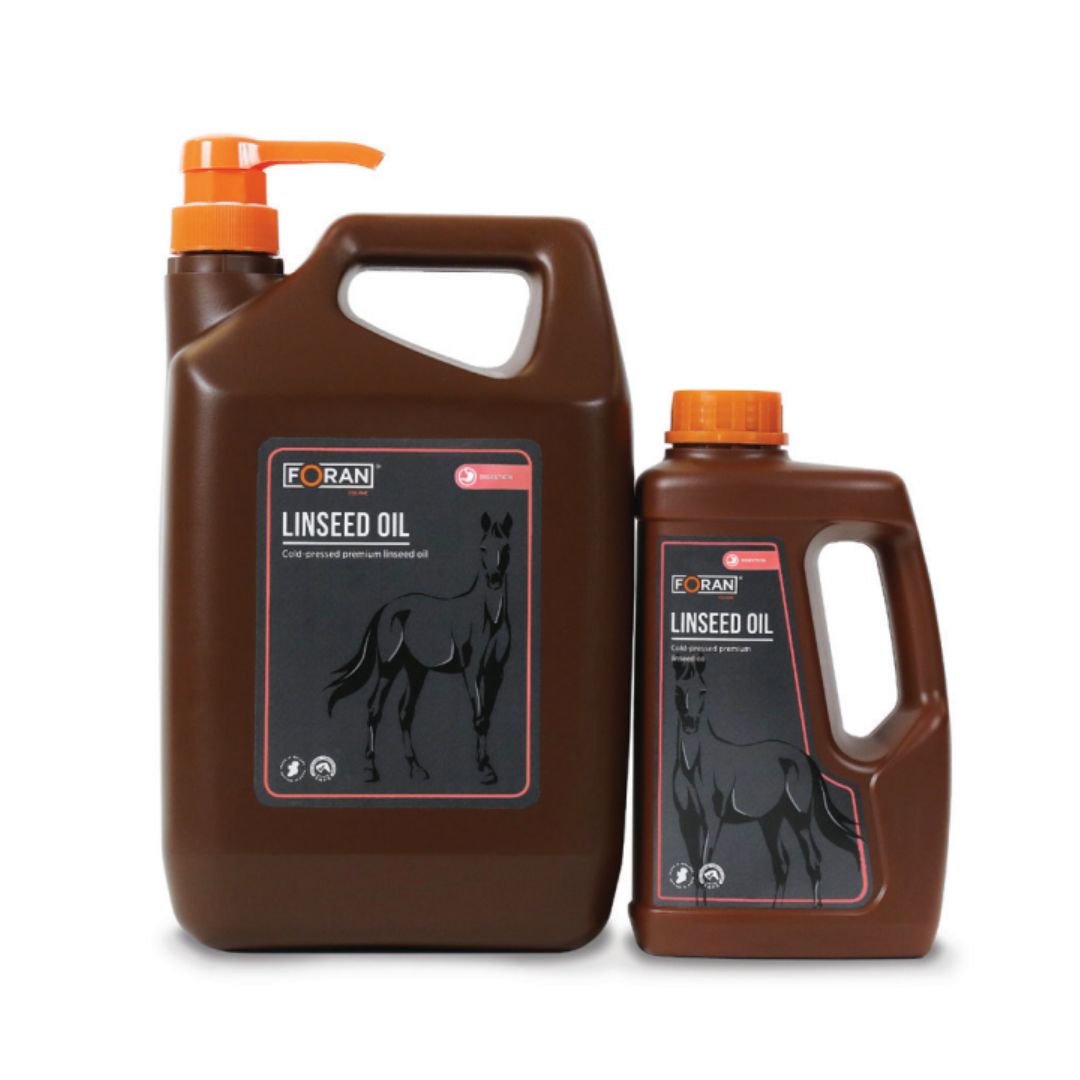
Credit: redmillsstore.co.uk
Frequently Asked Questions
What Is Linseed Oil And Why Use It For Horses?
Linseed oil is a natural oil from flax seeds. It helps improve horse coat and skin health.
How Does Linseed Oil Benefit A Horse’s Coat?
It adds shine, reduces dryness, and makes the coat soft and smooth.
Can Linseed Oil Improve A Horse’s Digestion?
Yes, it contains omega-3 fatty acids that support healthy digestion and gut function.
How Much Linseed Oil Should I Feed My Horse Daily?
Typically, 1 to 2 ounces per day is safe. Always check with a vet first.
Is Linseed Oil Safe For All Horses To Consume?
Most horses tolerate it well, but start with small amounts to watch for reactions.
How Should Linseed Oil Be Stored For Best Use?
Keep it in a cool, dark place. Use it before the expiration date for freshness.
Conclusion
Linseed oil offers many benefits for horses. It supports healthy skin and shiny coats. Feeding it in small amounts helps digestion and joint health. Always choose high-quality oil for safety. Start with low doses and watch your horse’s reaction. Regular use can improve overall well-being over time.
Consult a vet before adding new supplements. Simple, natural care often brings the best results. Try linseed oil and see the gentle difference it makes.
As an Amazon Associate, I earn from qualifying purchases.